
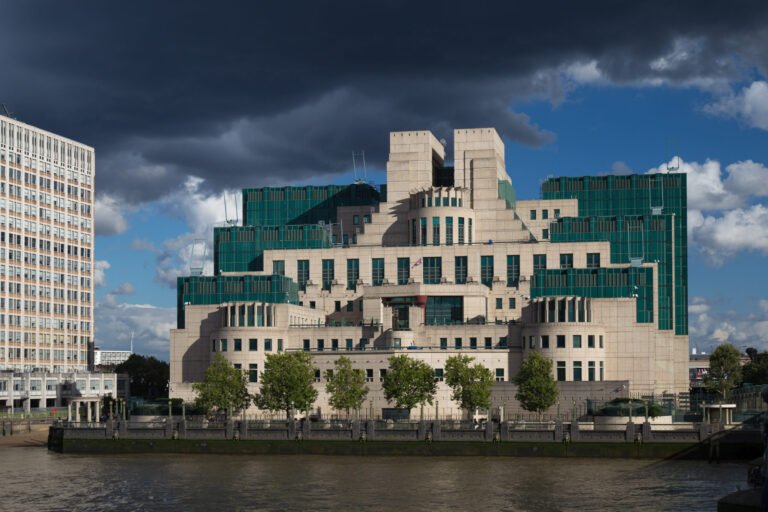
Introduction to the UK’s Secret Intelligence Service
The United Kingdom’s Secret Intelligence Service (SIS), commonly referred to as MI6, is a pivotal entity within the framework of national security. Established in 1909, MI6 was created to manage the increasing threat of espionage during a time of rising international tensions. Its primary purpose is to gather foreign intelligence and conduct secret operations that are vital to the security and interests of the UK.
Over the decades, the role of MI6 has evolved significantly, adapting to the changing landscape of global threats. Initially focused on countering threats from Imperial Germany, the agency expanded its operations during both World Wars and the Cold War, countering Soviet espionage and maintaining the delicate balance of power between nations. Today, MI6 continues to be crucial in counter-terrorism, cyber-security, and the intelligence landscape shaped by globalization.
The agency operates under the aegis of the UK’s Foreign, Commonwealth & Development Office and is tasked with collecting intelligence that informs the government’s foreign policymaking. MI6 is responsible for clandestine activities beyond the UK’s borders, making it an essential component of the nation’s overall intelligence community, alongside agencies like MI5 (domestic intelligence) and GCHQ (signals intelligence).
Moreover, MI6’s efforts are governed by a legal framework that seeks to balance national security with the protection of civil liberties. The agency’s operations are subject to oversight to ensure accountability and to prevent abuses of power. The combination of covert operations, intelligence gathering, and strict oversight embodies the complexity of MI6’s mission.
As we delve further into the workings and significance of the UK’s Secret Intelligence Service, it becomes clear that MI6 not only safeguards national interests but also plays a critical part in international diplomacy and relations. The delicate nature of its operations reflects the underlying imperative of ensuring security while maintaining ethical standards in intelligence practices.
The Historical Evolution of MI6
The Secret Intelligence Service, commonly known as MI6, was established in 1909 primarily to oversee the activities of the Imperial German government. As such, its formation marked the beginning of formal British intelligence gathering, aimed at safeguarding national security during a tense geopolitical climate. The agency’s early days were characterized by a keen focus on counter-espionage, particularly as the influences of the two World Wars began to reshape international relations.
During World War I, MI6 significantly expanded its scope, responding to the pressing need for robust intelligence operations. The war emphasized the importance of gathering actionable information, leading to MI6 developing more sophisticated techniques for espionage and analysis. By the end of the war, the service had solidified its role within the British government structure, paving the way for its evolution into a crucial wartime asset.
The interwar period saw a further transformation of MI6, as the world transitioned into a more complex geopolitical landscape. The rise of totalitarian regimes in Europe prompted MI6 to ramp up its intelligence efforts, focusing on emerging threats. The agency played a notable role in gathering intelligence on Nazi Germany, which directly contributed to the Allied strategies during World War II. The conflict reinforced the notion that intelligence was critical for military success and shifted MI6’s operational style toward a more proactive stance.
Post-World War II, MI6 continued to adapt to the new Cold War dynamics, expanding its activities globally in response to the advancing Soviet influence. This era solidified the agency’s reputation as a key player in international espionage, requiring continuous innovation in its operational methods. As technological advancements evolved, MI6 embraced new capabilities, including signals intelligence, which would further enhance its effectiveness in a world increasingly defined by information warfare.
The legacy of MI6 is thus one of adaptation and evolution, responding to both domestic and international challenges while growing from its humble origins into a sophisticated intelligence organization capable of addressing a wide array of security threats. As it stands today, the agency continues to build on its historical foundations as it navigates the complexities of modern intelligence work.
The Structure and Organization of MI6
The Secret Intelligence Service (SIS), commonly known as MI6, plays a pivotal role in the United Kingdom’s national security. It primarily focuses on overseas intelligence operations and conducting assessments to inform government policy. The internal structure of MI6 is strategically designed to facilitate effective intelligence gathering and analysis while ensuring collaboration with both domestic and international counterparts.
At the top of MI6’s hierarchy is the Chief of the Service, who oversees all operations and heads the organization. Reporting to the Chief are various key leadership roles, including Directors, each responsible for different departments such as Operations, Analysis, and Technical Services. The Operations department is crucial for field intelligence activities, planning covert operations, and liaising with foreign agencies. This department ensures that MI6 can respond effectively to threats, evolving geopolitical landscapes, and the requirements of the UK government.
The Analysis department is tasked with interpreting the vast array of data collected by MI6, eliminating potential threats, and delivering timely intelligence to decision-makers. Furthermore, Technical Services enhance MI6’s capabilities by developing advanced technologies for both communication and information gathering, allowing for innovative solutions to modern challenges in intelligence.
Additionally, MI6 collaborates with other intelligence organizations, such as GCHQ and the domestic security service, MI5. This collaboration is critical for ensuring that intelligence is shared effectively among the agencies, thus maximizing resource efficiency and enhancing the overall security apparatus of the UK. On an international scale, MI6 partners with foreign intelligence services, allowing for joint operations and information sharing tailored to global security challenges.
In conclusion, the organization of MI6, from its leadership to departmental functions, is aligned with its mission of safeguarding the UK’s interests. By ensuring that its internal structure supports effective collaboration both domestically and internationally, MI6 remains a key player in the realm of intelligence. This intricate framework not only facilitates operational effectiveness but also bolsters the United Kingdom’s strategic objectives in global security matters.
Key Operations and Achievements of MI6
The Secret Intelligence Service, commonly known as MI6, has played a pivotal role in the history of British intelligence and global security since its establishment in 1909. Over the years, it has been involved in numerous key operations that have significantly impacted both the UK and international relations.
One of the most notable early missions of MI6 was its involvement in World War I, where it focused on counter-intelligence efforts against Germany. This laid the groundwork for future operations and established the agency’s importance in securing national interests. Following the war, MI6 adapted to a changing geopolitical landscape, shifting its focus toward communism and fascism, which were emerging threats in the interwar period.
During World War II, MI6 conducted several crucial operations that were instrumental in the defeat of the Axis powers. The agency’s role in the establishment of the Special Operations Executive (SOE) allowed for significant espionage and sabotage missions in occupied Europe. These operations not only gathered vital intelligence but also aided resistance movements, making a considerable impact on the war’s outcome.
In the post-war era, MI6 continued to evolve, responding to the Cold War’s challenges. Operations such as the recruitment of double agents and infiltration of communist espionage networks showcased the agency’s adaptability. One significant achievement was Operation Gold, in which MI6 collaborated with the CIA to tap into Soviet communications in East Berlin, demonstrating its role in gathering intelligence during a critical period of tension.
Furthermore, MI6’s efforts in counter-terrorism became increasingly vital in the late 20th and early 21st centuries, particularly following events such as the September 11 attacks. The agency has engaged in global operations to thwart terrorist activities, reflecting its ongoing commitment to ensuring the security of the UK and its allies. These operations underscore the importance of intelligence in contemporary security challenges.
Overall, MI6 has left a profound mark on national and global security through its various operations and achievements. Each mission has not only served immediate strategic goals but has also shaped the agency’s evolving role in the complex landscape of international relations.
MI6’s Role in Counter-Terrorism
The Secret Intelligence Service, commonly known as MI6, plays a pivotal role in the United Kingdom’s counter-terrorism efforts. As one of the key agencies in the UK’s intelligence community, MI6 is tasked with detecting, preventing, and responding to terrorist threats that could potentially undermine national security and disturb international stability.
Post-9/11, MI6 has intensified its operations to combat the evolving threat of terrorism. A standout example of their efforts was the intelligence-leading role they played in foiling the plot to create a bomb from liquid explosives that was destined for flights from the UK to North America in 2006. This operation exemplified the effectiveness of MI6’s collaboration with international allies, particularly the United States. By exchanging pertinent intelligence, both agencies were able to identify and arrest multiple individuals involved in this plot, thereby safeguarding countless lives.
Moreover, MI6 has frequently worked in tandem with domestic agencies such as MI5 and GCHQ, combining their specialized skills and resources to create a comprehensive approach to counter-terrorism. For instance, during the 2017 Manchester Arena attack investigation, MI6 assisted local law enforcement by providing critical intelligence that helped to trace the attacker’s networks and prevent further plots. Hence, MI6’s role in counter-terrorism is not limited to intelligence collection; it also involves strategic dissemination of information and coordinated operational responses.
In addition to thwarting immediate threats, MI6 also engages in long-term strategies designed to destabilize extremist groups by infiltrating organizations and conducting surveillance operations. Their clandestine work has led to a better understanding of the motivations and operational methods of terrorist groups, which is essential for developing preemptive measures.
Through these multifaceted approaches, MI6 remains at the forefront of the UK’s efforts to mitigate the risk posed by terrorism, understanding that the landscape is constantly changing and demands constant vigilance and adaptability in strategy.
Legislation and Oversight of Intelligence Activities
The legal framework governing the activities of the Secret Intelligence Service (SIS), commonly known as MI6, is both comprehensive and complex. It has evolved significantly, particularly in response to changing security landscapes and public expectations for accountability. One of the pivotal pieces of legislation that outlines the parameters of MI6’s operations is the Intelligence Services Act 1994. This act delineates the functions, structure, and accountability of the intelligence agencies, thereby ensuring their activities conform to the law.
MI6 operates within a framework that emphasizes oversight and governance. The Security Service and the Intelligence Services Commissioner, who is appointed by the Prime Minister, oversee the agency’s compliance with the law. The Commissioner produces annual reports that assess whether MI6’s operations align with its legal mandates and with the principles of human rights protection.
Furthermore, the Investigatory Powers Act 2016, which regulates the powers of intelligence agencies regarding surveillance and data collection, plays a crucial role in establishing procedural legality. This act also aims to balance the necessity of national security operations while safeguarding civil liberties. The requirement for warrants in most surveillance activities ensures that there is a layer of judicial oversight in place.
Public accountability is paramount in the oversight of intelligence activities. Committees such as the Intelligence and Security Committee of Parliament (ISC) provide scrutiny over MI6’s operations and expenditures. The ISC reviews and reports on the activities of the agency, thereby fostering transparency and informing public debate. This combination of legislation and oversight mechanisms serves to create a responsible framework that allows MI6 to function effectively, while simultaneously ensuring it remains answerable to both the public and the government.
The Public Perception of MI6
The Secret Intelligence Service, commonly known as MI6, has long been a subject of fascination for the British public and the media. Its portrayal in various forms of entertainment, including films, literature, and popular culture, significantly shapes how the agency is perceived by society. The image of MI6 is often linked to the enigmatic persona of spies, giving rise to a narrative filled with adventure, intrigue, and heroism.
In Hollywood blockbusters and British cinema alike, characters representing MI6 tend to be depicted as suave, skilled operatives engaged in high-stakes missions. Films featuring James Bond have particularly cemented this glamorized image, suggesting that MI6 personnel are not only resourceful but also lead lives marked by thrilling escapades. This cinematic representation, while entertaining, often glosses over the mundane and complex realities of intelligence work. As a result, the public may develop an unrealistic understanding of the day-to-day operations and challenges faced by real-life agents.
Moreover, literature and media portrayals have added another layer to how MI6 is perceived. Books and articles often elaborate on the clandestine aspects of the agency, contributing to an aura of secrecy and intrigue. While some narratives attempt to delve into the ethical dimensions of espionage, many tend to reinforce stereotypes of spies as treacherous or morally ambiguous figures. This dichotomy can lead to a polarized opinion among the public, where admiration for the agency’s necessity in national security coexists with skepticism about its methods.
Furthermore, contemporary societal concerns regarding surveillance and privacy have influenced public sentiment. As debates about governmental transparency and accountability unfold, perceptions of MI6 may shift based on current events, media reports, and cultural discussions. Thus, while MI6 remains a vital component of the UK’s national security strategy, its image is not static; it evolves in tandem with societal values, media narratives, and public sentiment.
Challenges Facing MI6 in the Modern Era
In recent years, the UK’s Secret Intelligence Service, commonly known as MI6, has encountered a multitude of challenges that test its operational capabilities and strategic relevance. These challenges are intrinsically linked to the evolving nature of threats and the complexities of modern global political dynamics.
One of the predominant issues facing MI6 is the rise in cyber threats. As technology advances, so do the tactics employed by malicious actors. Cyber espionage and cyber warfare have become increasingly pervasive, leading MI6 to adapt its methodologies to gather intelligence in a digital environment. This necessitates not only the recruitment of tech-savvy personnel but also substantial investment in cyber defense capabilities to safeguard sensitive information against data breaches and hacking attempts.
Additionally, MI6 grapples with the evolving tactics of terrorist organizations. The shift from traditional, large-scale terrorist networks to smaller, decentralized cells complicates intelligence gathering and analysis. These groups often exploit social media and digital communication channels to propagate their ideologies and recruit members, presenting a significant challenge to MI6’s counter-terrorism efforts. The agency must remain vigilant and agile, implementing sophisticated monitoring techniques to identify potential threats before they materialize.
Furthermore, the complexities of global political dynamics add another layer of difficulty to MI6’s operations. The increasing unpredictability in international relations affects intelligence-sharing alliances, often complicating collaborative efforts with foreign agencies. National interests can clash, resulting in a fragmented approach to global security challenges. MI6 must navigate these treacherous waters carefully, ensuring that it not only fulfills its national security mandate but also contributes to global stability.
In this context, MI6 is called upon to remain adaptive and resilient, enhancing its operational frameworks to counter these emerging threats effectively while maintaining the integrity of its intelligence work.
The Future of UK Intelligence Operations
As technology continues to evolve at a rapid pace, so too does the landscape of intelligence operations in the UK, particularly within the United Kingdom’s Secret Intelligence Service, commonly known as MI6. The future trajectory of MI6 will be significantly influenced by advancements in technology, the emergence of new threats, and the necessity for continuous adaptation to maintain national security.
One of the foremost challenges facing MI6 is the increasing sophistication of digital threats. Cybersecurity incidents have become prevalent, with adversaries employing sophisticated techniques to compromise security systems and gather intelligence. As a response, MI6 is expected to enhance its capabilities in cyber intelligence, focusing not only on traditional espionage but also on understanding the digital domain to protect national interests against state and non-state actors. This shift will require MI6 to invest heavily in training personnel skilled in cyber operations and analytics, thereby ensuring readiness for future challenges.
Moreover, the geopolitical landscape is shifting, with the rise of new powers and the resurgence of traditional rivalries. The service will need to place greater emphasis on intelligence gathering from regions that were previously deemed less critical. This implies a broadening of MI6’s geographical focus, resulting in an increased presence in areas like East Asia and the Middle East, which may see enhanced activity from hostile entities.
In addition to external threats, MI6 must also consider internal challenges, such as the evolving nature of civil liberties and public expectations regarding privacy and data security. As citizens become more aware of surveillance practices, MI6 will need to strike a delicate balance between intelligence operations and respecting individual rights. Developing transparent frameworks for oversight and accountability will likely be essential to foster public trust while ensuring effective national security measures.
In summary, the future of UK intelligence operations will necessitate a proactive and adaptive approach from MI6. By embracing technological advancements and understanding emerging threats, the service can better position itself to protect the UK in an increasingly complex global environment.


0 Comments