

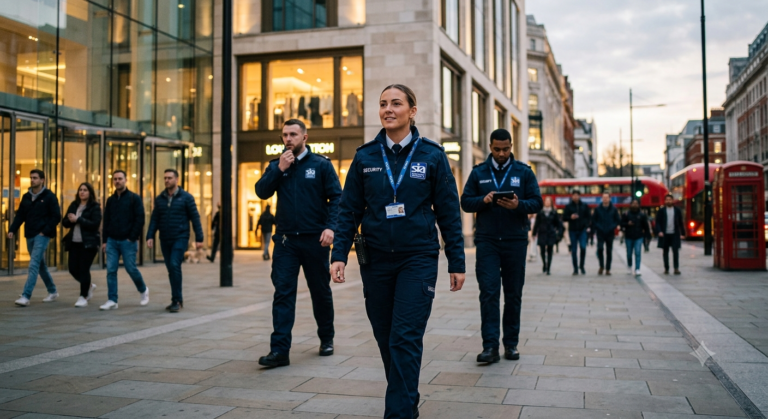
Overview of Security Guard Services
Security guard services in the UK play a vital role in maintaining safety and order across various environments, including commercial, residential, and event venues. These services generally encompass a range of activities aimed at protecting people, property, and assets from potential threats such as theft, vandalism, and other criminal actions. The importance of security guard services transcends mere physical presence; they help to deter criminal activity and provide a sense of safety for individuals and businesses alike.
Typically, security guard services can be categorized into several types, each tailored to meet specific security needs. For instance, mobile patrol services involve security personnel regularly monitoring assigned locations to prevent or respond to incidents. This type of service is particularly effective for larger properties or those with varying security challenges. On the other hand, static guarding involves the placement of guards at specific points to ensure constant monitoring and immediate response to any issues that may arise.
Additionally, there are specialized security services, including event security, which focuses on maintaining safety during gatherings such as concerts, conferences, and sporting events. Event security personnel are trained to handle large crowds, conduct searches, and manage emergencies while ensuring a secure atmosphere for all attendees. Furthermore, businesses often require corporate security services, which can entail a blend of access control, CCTV monitoring, and personnel training to address internal and external threats.
In the context of the UK’s dynamic security landscape, the evolution of security guard services has been marked by increasing technological integration. Advanced tools like surveillance systems and alarm monitoring are now common elements of security operations, enhancing the ability of guards to respond swiftly and effectively. As businesses and individuals recognize the diverse threats that exist, the demand for professional security guard services continues to grow, underscoring their significance in today’s society.
Types of Security Guard Services
Security guard services in the UK encompass a wide range of tasks and specialized functions tailored to meet the diverse needs of various environments. Understanding these categories is crucial for businesses and individuals seeking to enhance their safety and security measures.
One primary type of security service is event security, which focuses on ensuring the safety of attendees at gatherings such as concerts, festivals, and corporate events. This service typically involves crowd management, access control, and emergency response planning to prevent incidents and facilitate a safe experience for all participants.
Commercial security services are designed for businesses and organizations, where security guards protect company premises, equipment, and personnel. Guards may patrol the grounds, monitor surveillance systems, and provide a visible security presence to deter criminal activity, ensuring a safe working environment.
Residential security is another vital category, aimed at safeguarding private homes and communities. This service can include security patrols, alarm monitoring, and the installation of security systems. Residential security guards often work closely with homeowners to create a safe living space, particularly in high-risk areas.
The retail security sector focuses on protecting retail stores from theft and ensuring the safety of customers and employees. Security personnel in this setting are trained to identify suspicious activity, conduct loss prevention measures, and manage any security incidents that may arise within the store.
Finally, mobile patrol services provide a flexible security solution. These guards patrol assigned areas, offering a quick response to any incidents. Their presence can cover vast areas, ensuring that security is maintained even in less densely populated locations.
By understanding the various types of security guard services, businesses and individuals can better assess their security needs and choose the appropriate service to maintain safety and mitigate risks effectively.
Qualifications and Training for Security Guards
In the United Kingdom, becoming a security guard requires a combination of qualifications and training to ensure that individuals are equipped to handle the demands of the role effectively. One of the primary requirements is obtaining a license from the Security Industry Authority (SIA). The SIA is the regulatory body responsible for licensing security operatives and ensuring compliance with security industry standards.
To acquire an SIA license, potential security guards must complete a recognized training course that covers essential topics relating to their responsibilities. These courses typically include modules on conflict management, physical intervention skills, and the legal aspects of security work. The training not only prepares candidates for the licensing examination but also equips them with critical skills necessary for on-the-job performance.
In addition to completing a training course, candidates must also demonstrate that they meet the SIA’s eligibility criteria. This includes passing a criminal record check and being at least 18 years of age. Once qualified, security guards can apply for various roles in the security sector, ranging from event security to loss prevention in retail establishments.
Effective performance as a security guard also demands a range of essential skills. Communication skills are critical, as security guards must interact with the public, report incidents, and work collaboratively with law enforcement if necessary. Additionally, problem-solving abilities and situational awareness are vital for identifying potential risks and responding appropriately. Physical fitness can enhance a guard’s capability to handle potentially challenging situations, underscoring the importance of maintaining a healthy lifestyle.
Ultimately, the combination of formal qualifications, thorough training, and essential skills forms the foundation for a successful career in the security sector within the UK. Security guard services are integral to maintaining safety and security in various settings, highlighting the importance of investing in proper training and licensing for these professionals.
Legal Regulations Governing Security Guard Services
In the UK, the provision of security guard services is highly regulated, primarily governed by the Security Industry Authority (SIA). The SIA is responsible for overseeing the licensing of private security companies and the individuals working within the industry. This regulatory framework is essential to ensure the safety and professionalism of security personnel.
One of the fundamental components of this legal structure is the requirement for proper licensing. Under the Private Security Industry Act 2001, individuals must possess a valid SIA license to work legally as a security guard. This licensing process includes background checks, ensuring that only qualified individuals can operate in this crucial sector. It aims to deter criminal elements from infiltrating the industry, thereby protecting both clients and the public.
Aside from licensing, operational compliance with various legislation is imperative for security companies. The Data Protection Act 2018, for example, imposes obligations on security services concerning the handling of personal data. Security guards often engage with sensitive information; hence, compliance with this legislation is critical to safeguard individual privacy and maintain the trust of clients.
Furthermore, the Employment Rights Act 1996 also plays a significant role in regulating relationships within the security industry. It defines fundamental rights for employees, such as fair dismissal and the right to collective bargaining, reinforcing the legal protections for security staff.
Moreover, adherence to Health and Safety regulations is vital for security companies to ensure safe working environments. These regulations mandate the assessment and management of risks associated with security operations, impacting the overall operational framework of security services.
In summary, the legal landscape governing security guard services in the UK is intricate and multifaceted. Through the mechanisms established by the SIA, licensing laws, data protection regulations, and employment rights legislation, the industry is meticulously regulated to ensure safety, legality, and professionalism. Understanding these regulations is crucial for both operators and clients looking to engage security services.”}
Working with Security Companies: What to Expect
When hiring a security company, it is crucial to establish clear expectations regarding service levels. Understanding what types of security services are offered, such as manned guarding, mobile patrols, or electronic surveillance, can help in evaluating the right fit for your specific requirements. Each of these services presents unique advantages and may be tailored to suit the needs of your property or event.
Effective communication is another vital aspect to consider. It is essential to ensure that the security company provides a responsive point of contact for ongoing communication. This allows for the timely sharing of information, allowing for a more proactive approach to security management. Ensure that the security personnel assigned to your site or event are sufficiently briefed and understand your expectations thoroughly.
Reviewing contract terms is also critical before finalizing any agreement with a security provider. Pay close attention to the details regarding the scope of their services, response times, and provisions for breach of contract or poor performance. A well-drafted contract should explicitly outline the roles and responsibilities of both parties, including required certifications or training for security staff, which ensures compliance with legal requirements.
Additionally, assessing the effectiveness of the security personnel is a key component of working with security companies. This can be conducted through regular performance reviews where you can evaluate their promptness, professionalism, and overall operational effectiveness. Engaging with staff and clients can provide insights into their experiences with the security teams, thus offering a broader perspective on the company’s reliability.
By keeping these factors in mind, you can create a solid foundation for cooperation with security companies, enabling you to receive the desired level of protection and service tailored to your needs.
Technological Advancements in Security Services
In the contemporary landscape of security guard services in the UK, the integration of modern technology plays a pivotal role in enhancing operational efficiency and effectiveness. Surveillance systems have witnessed substantial upgrades, transitioning from basic closed-circuit television (CCTV) to sophisticated systems equipped with artificial intelligence capabilities. These advanced systems not only facilitate real-time monitoring but also incorporate features such as facial recognition and motion detection, significantly improving the ability to respond to incidents.
Alarm monitoring systems have also evolved, moving towards smart technology that provides instant alerts through mobile applications. This development enables security personnel to receive updates regarding alarms in real-time, even when they are off-site. Such technology allows for a swift and coordinated response to potential threats, minimizing the risks associated with delayed notifications.
Additionally, mobile applications designed for security guard services offer a range of functionalities that enhance communication and documentation. Guards can utilize these applications to log incidents, share critical information with team members, and access emergency protocols at the touch of a button. The convenience of mobile technology not only streamlines operations but also fosters a higher level of preparedness and responsiveness in critical situations.
The benefits of incorporating these technologies into security operations are manifold. Enhanced surveillance capabilities allow for more comprehensive monitoring, reducing the likelihood of undetected incidents. Smart alarm systems contribute to a proactive security posture, with quicker response times leading to greater deterrence of criminal activities. Furthermore, the use of mobile applications improves situational awareness among security personnel, enabling them to react promptly and effectively.
Overall, the adoption of modern technology within security guard services has transformed how security measures are implemented and managed, ultimately leading to a more secure environment for businesses and the general public alike.
Challenges Faced by Security Guard Services
Security guard services in the UK are currently navigating a landscape marked by various challenges that impact their operational efficiency and effectiveness. One of the prominent issues is the staffing shortage. Many businesses face difficulties in recruiting and retaining qualified security personnel. This shortage can be attributed to a growing demand for security due to rising crime rates and an increasing awareness of safety across various sectors, which often outpaces the influx of new recruits into the industry.
Another significant challenge is the inconsistency in training across the sector. While several companies strive to maintain high training standards for their staff, disparities exist, leading to variances in the quality of service delivered. Inadequate training can result in security personnel being ill-equipped to handle particular situations, thereby compromising the overall safety of the environments they are meant to protect. Ensuring uniform training protocols and adherence to industry standards is essential for maintaining a competent workforce.
Additionally, security guard services must adapt to new crime trends, which are continually evolving. The rise of cybercrime, for example, presents a unique set of challenges that traditional physical security measures may not effectively address. Security firms are increasingly required to integrate technology into their services, which necessitates continuous learning and adaptation among personnel. Companies must invest significantly in equipping their guards with the necessary skills to combat these evolving threats.
Furthermore, the economic climate also plays a critical role in determining the demand for security services. Economic downturns can lead to increased crime rates, thereby amplifying demand for security personnel. Conversely, during periods of economic prosperity, some businesses may reduce their security expenditures, leading to fluctuations in service demand. This economic sensitivity required security guard services to be agile, adjusting their workforce and resources according to market needs. Overall, these challenges necessitate strategic planning and continuous improvement to ensure the provision of effective security services across the UK.
Case Studies: Successful Security Guard Operations
Security guard services play a pivotal role in maintaining safety across various environments in the UK. Numerous case studies exemplify the effectiveness of these operations, highlighting different settings where security guards have successfully safeguarded people and property.
One noteworthy example involves a retail store in London that implemented a security guard service to deter theft and enhance customer safety. The presence of trained security personnel not only reduced incidents of shoplifting but also improved the overall shopping experience. The security guards engaged with customers, offering assistance and addressing concerns, thereby fostering a secure environment and building trust within the community.
Another significant case comes from a corporate office in Manchester, where security guards were deployed to manage access control and monitor surveillance systems. This operation proved effective in preventing unauthorized access and ensuring the security of sensitive information. The guards received advanced training in crisis management, which enabled them to respond swiftly during emergencies. This case study underscores the importance of ongoing training for security personnel to adapt to evolving threats and maintain a safe workplace.
In a different context, a community event in Birmingham utilized security guards to manage large crowds and ensure public safety. Their effective crowd control strategies and thorough coordination with local law enforcement exemplified best practices in event security. Feedback from participants indicated that the presence of security personnel made them feel more secure, which is a vital component of any public gathering.
These case studies reflect the diverse applications of security guard services and illustrate that with appropriate training, proactive measures, and community engagement, security operations can address various challenges effectively. The lessons derived from these successful operations highlight the necessity for tailored approaches that meet specific security needs across different settings.
Future Trends in Security Guard Services
The landscape of security guard services in the UK is undergoing significant transformation, driven by evolving security threats, advancements in technology, and changing expectations from clients. As we look towards the future, several key trends are likely to shape this industry.
Firstly, the rise in sophisticated crime and terrorism threats necessitates a more proactive approach to security. This alteration in the nature of risks means that security guard services will increasingly focus on intelligence-led operations. Guards will be trained not only to respond to incidents but also to anticipate and mitigate potential threats through heightened awareness and strategic planning.
Innovation in technology is another pivotal trend influencing security services. The integration of artificial intelligence (AI) and machine learning is expected to enhance surveillance capabilities. Predictive analytics could allow security personnel to identify patterns in criminal behavior, leading to more effective and targeted security strategies. Moreover, the use of drones and robotics for surveillance also seems to be on the rise, particularly in large facilities and outdoor venues.
Client expectations are also shifting. Businesses and organizations are increasingly seeking security solutions that encompass customer service and experience. Security guards will no longer be viewed solely as protectors but as representatives of the brand, necessitating skills in communication and crisis management. This holistic approach to security encourages a collaborative relationship between security personnel and the community, enhancing overall service delivery.
Lastly, regulatory changes and legal responsibilities surrounding security operations are anticipated to evolve. Security companies must remain compliant with new legislation and guidelines, prompting them to adapt their practices regularly. Training and continuous professional development will be vital for security personnel to meet these new challenges and maintain high standards of service.
These emerging trends indicate that security guard services in the UK will continue to innovate and adapt, ensuring they are equipped to face the complexities of modern security needs.


0 Comments