

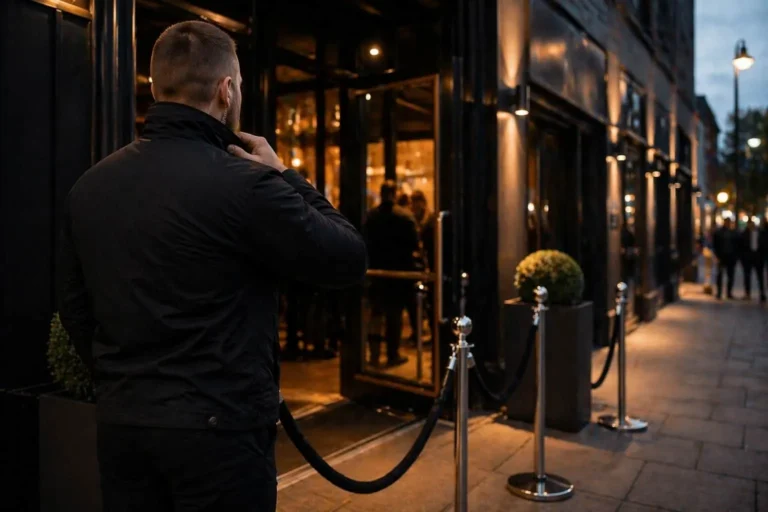
What is a Door Supervisor?
A door supervisor, often referred to as a bouncer, plays a crucial role in ensuring the safety and security of various environments, including nightlife venues, events, and public gatherings. Their primary responsibility is to monitor the entry and exit points of a venue, allowing or denying access based on established guidelines. This role not only involves managing crowds but also encompasses the authority to enforce venue policies and maintain an orderly environment.
Door supervisors are tasked with a range of responsibilities that contribute to the overall safety of patrons and staff alike. They conduct identification checks, particularly in establishments that serve alcohol, to ensure that individuals entering the venue are of legal age. Additionally, door supervisors are trained to recognize signs of conflict or aggressive behavior and are equipped to de-escalate situations before they escalate into violence. Their presence can significantly deter misconduct, thereby fostering a safer atmosphere for everyone involved.
The importance of door supervisors extends beyond physical presence; they also serve as a point of contact for patrons in need of assistance or guidance. Whether it is offering directions, providing information about venue regulations, or assisting individuals who may have consumed too much alcohol, their role is multifaceted. By managing the crowd dynamics and addressing potential risks proactively, door supervisors enhance the overall experience for guests while simultaneously protecting the establishment’s interests.
Moreover, the professional conduct of door supervisors is essential in shaping the public perception of the venue. Well-trained supervisors who perform their duties with respect and professionalism can elevate a venue’s reputation, making it appealing to diverse clientele. This is particularly relevant in the competitive nightlife industry, where the quality of service and safety are paramount in retaining customers.
In conclusion, the role of a door supervisor is vital in maintaining not only safety and security but also the overall integrity of nightlife environments. Their responsibilities encompass a wide array of tasks that contribute to a safe and enjoyable experience for all patrons.
Legal Requirements for Door Supervisors in the UK
The role of door supervisors within the United Kingdom is governed by a comprehensive legal framework designed to ensure public safety and compliance with security regulations. To work as a door supervisor, individuals must adhere to specific licensing, qualification, and training requirements established by the Security Industry Authority (SIA). The SIA is the regulatory body responsible for overseeing the private security industry in the UK.
First and foremost, obtaining an SIA license is mandatory for anyone wishing to provide door supervisor services. This license confirms that the individual has met particular standards and is deemed fit to operate in the security sector. To apply for an SIA license, candidates must be at least 18 years of age, pass a background check, and complete an accredited training course related to door supervision.
The training course covers crucial areas such as conflict management, customer service, and the legal aspects of security and safety. It equips individuals with the skills necessary for handling various situations that may arise while on duty, from managing large crowds to effectively communicating with patrons. Furthermore, the course requires passing a final assessment to ensure candidates have thoroughly understood the material.
In addition to licensing and training, door supervisors are also expected to adhere to the legal obligations set forth by relevant laws, such as the Licensing Act 2003. This legislation outlines the responsibilities of door supervisors to ascertain the age of individuals entering licensed premises and to prevent violence and disorder. Failure to comply with these laws can result in severe consequences, both for the individual and the establishment where they are employed.
Thus, it is essential for aspiring door supervisors to understand the legal requirements and engage in required training and licensing processes. By doing so, they not only protect the safety of the public but also enhance the credibility and effectiveness of the private security industry as a whole.
The Importance of Door Supervisors in the Nightlife Industry
Door supervisors, also known as bouncers or security personnel, play a vital role in the nightlife industry across the United Kingdom. Their presence and expertise are essential for maintaining order and ensuring the safety of patrons in various entertainment venues, including bars, nightclubs, and music events. One of the primary responsibilities of door supervisors is effective crowd management. They are trained to assess and control the flow of guests entering and exiting venues, ensuring that capacity limits are not exceeded and facilitating a smooth movement through the establishment.
Moreover, door supervisors are tasked with the critical duty of ensuring patron safety. This encompasses monitoring behavior and intervening when necessary to prevent potential conflicts or altercations before they escalate. Their training often includes conflict resolution techniques, which are essential for diffusing tense situations. By maintaining a visible presence, door supervisors can effectively deter unruly behavior, thereby creating a safer environment for all patrons.
The role of door supervisors also extends to being a first line of defense against issues such as violence and disorder within nightlife settings. Their training in recognizing early signs of aggression allows them to act swiftly and appropriately. By managing crowd dynamics and enforcing venue policies, they help to significantly reduce the instances of violence and other disruptive behaviors, which can affect not only the patrons involved but also the reputation of the venue.
In summary, the contribution of door supervisors to the nightlife industry cannot be overstated. Through their roles in crowd management, ensuring safety, and mitigating violence, door supervisors help shape a positive experience for both patrons and venue operators. Their professionalism and vigilance are fundamental in fostering a secure atmosphere where individuals feel comfortable and can enjoy their nightlife experiences.
Key Skills and Qualities of Effective Door Supervisors
Door supervisors play a crucial role in ensuring safety and security in various venues such as bars, clubs, and events across the United Kingdom. To excel in this position, a range of essential skills and personal qualities is required. Understanding these competencies can help in identifying effective door supervisors who can handle the dynamic environment they face.
Firstly, communication skills are paramount. An effective door supervisor must be able to convey information clearly and confidently. They often serve as the first point of contact for patrons and staff, necessitating the ability to provide guidance and instructions. Active listening is equally important, as it allows the door supervisor to understand and assess situations accurately, ensuring appropriate actions can be taken.
Conflict resolution abilities are also essential traits for door supervisors. Working in environments that may be tense or volatile, they often encounter difficult situations that require de-escalation skills. The ability to remain calm under pressure and provide solutions peacefully is vital. Effective door supervisors must assess threats and issues quickly, determining the best course of action while prioritizing the safety of all individuals involved.
Another critical quality is physical fitness. The role of a door supervisor can be physically demanding, and maintaining good health is essential. Physical readiness enables them to respond effectively to emergencies, manage aggressive behaviors, or assist individuals in distress. In addition, being physically fit contributes to their overall capacity to enforce safety protocols confidently.
Lastly, the capability to assess situations rapidly is a distinguishing feature of competent door supervisors. They must analyze their surroundings, evaluate potential risks, and make quick decisions to ensure a safe environment. This ability to quickly gauge threats, including assessing both verbal and non-verbal cues from individuals, is fundamental in their day-to-day responsibilities.
Training and Certification for Door Supervisors
In the United Kingdom, the role of a door supervisor is crucial for maintaining safety and order in various venues, such as nightclubs, bars, and events. To qualify for this position, aspiring door supervisors must complete specific training programs and obtain the necessary certifications. These training courses are designed to equip individuals with the skills and knowledge required to perform effectively in this demanding role.
Typically, the training for door supervisors includes modules covering various essential topics. These may encompass conflict management, legislation relevant to security, physical intervention techniques, and first aid training. Recognizing the legal responsibilities and rights associated with the position is paramount, ensuring that door supervisors can navigate challenging situations while remaining compliant with the law. Furthermore, training providers emphasize the importance of customer service skills, as door supervisors often serve as the first point of contact in many establishments.
Upon successful completion of the training program, candidates are required to pass an assessment to receive a Security Industry Authority (SIA) license. This license is mandatory for anyone wishing to work as a door supervisor in the UK. The certification process not only verifies that applicants have undergone adequate training but also enhances their employability within the security sector. Employers widely recognize the significance of holding an SIA license, and it frequently serves as a benchmark for hiring decisions.
Moreover, ongoing training and development are essential in this field. The security landscape continually evolves, necessitating that door supervisors stay updated with the latest regulations, techniques, and best practices. This commitment to continuous professional development is crucial for those aspiring to advance their careers in security services.
In conclusion, the training and certification process for door supervisors in the UK is comprehensive and vital for their success in the industry. By completing these programs, individuals not only enhance their skills and job prospects but also contribute to safer environments in establishments across the country.
Challenges Faced by Door Supervisors in the UK
Door supervisors in the United Kingdom play a pivotal role in maintaining safety and security at various venues, such as nightclubs, bars, and events. However, their responsibilities expose them to numerous challenges that require not just vigilance but also adept handling skills.
One significant challenge faced by door supervisors is managing intoxicated individuals. Alcohol consumption often leads to aggression and unpredictable behavior, requiring supervisors to intervene effectively to de-escalate potential conflicts. Supervisors must assess each situation quickly, deliberating on the best course of action while ensuring the safety of patrons and staff. This task is made more complex by the need to enforce house policies without alienating guests, as confrontations can exacerbate an already volatile atmosphere.
Another challenge is managing large crowds, especially during peak times, such as weekends or special events. A high volume of patrons can lead to bottlenecks at entry points, making it difficult for door supervisors to maintain order. Effective crowd control strategies are essential in these scenarios. Supervisors must monitor the flow of people, ensuring that the venue does not become overcrowded, which could breach safety regulations. Effective communication and teamwork among security personnel can mitigate these challenges, allowing supervisors to focus on safety and compliance.
Ensuring compliance with various licensing laws and regulations is also critical. Door supervisors need to stay informed about local laws governing alcohol service, age restrictions, and the responsibilities of licensed venues. Failure to adhere to these regulations can lead to severe repercussions for the establishment, including fines or closure. Thus, supervisors must enforce identification checks diligently and ensure that all regulations are followed while preserving a hospitable environment.
These challenges highlight the demanding nature of door supervisor services in the UK, underscoring the importance of their role in ensuring a secure and enjoyable experience for all patrons.
The Evolving Role of Door Supervisors
In recent years, the role of door supervisors in the United Kingdom has undergone significant transformation, largely driven by shifts in nightlife trends. As urban areas grow and nightlife venues proliferate, the functions and responsibilities of door supervisors are being redefined to meet the demands of contemporary society.
One of the most considerable changes is the increasing integration of technology within their operational framework. The utilization of digital tools and mobile apps for communication has enhanced the efficiency of door supervisors. They are now better equipped to manage crowd control and respond swiftly to incidents. Additionally, the deployment of surveillance systems allows for real-time monitoring, ensuring a heightened sense of security for patrons.
Furthermore, changes in social behavior and expectations have also played a vital role in shaping the duties of door supervisors. Today’s nightlife crowd often prioritizes safety and a well-managed environment. As a response, door supervisors are increasingly becoming skilled in customer service, conflict resolution, and de-escalation techniques. Their role has evolved from merely enforcing access control to becoming facilitators of a positive experience, balancing safety with enjoyment.
Heightened security concerns, influenced by global events, have necessitated that door supervisors adopt a more proactive approach. They are now trained to identify suspicious behaviors and respond to potential threats more effectively. This evolution reflects a broader trend within the security industry, where adaptability and vigilance have become essential components of the job.
In summary, the role of door supervisors in the UK is continuously adapting to meet the changing landscape of nightlife. The incorporation of technology, a shift towards customer-centric service, and a heightened focus on security all signify the evolving demands placed on these professionals, ensuring they remain vital to the safe and enjoyable experiences of nightlife patrons.
Tips for Professionals in the Door Supervisor Industry
For both current and aspiring door supervisors, excelling in this demanding profession requires not only specific skills but also a proactive approach to personal and professional development. Here are several practical tips that can help individuals thrive in the door supervisor industry.
Firstly, effective communication skills are paramount. Door supervisors must interact with a diverse range of individuals, from patrons to law enforcement. Developing the ability to communicate clearly, assertively, and empathetically can help in managing various situations effectively. Active listening also plays a crucial role when resolving conflicts or assisting individuals, ensuring that patrons feel respected and understood.
Secondly, maintaining physical fitness is essential. The job often demands quick responses and the ability to manage potentially volatile situations. Regular training and conditioning can enhance physical endurance, which is beneficial not only for performing duties effectively but also for instilling confidence among colleagues and patrons alike. Moreover, physical readiness can prevent injuries that may occur during confrontations.
Additionally, continuous learning and certification are vital components of career advancement for door supervisors. Many employers prefer candidates who have taken the initiative to enhance their qualifications through relevant training courses. Staying informed about updates in legislation, licensing requirements, and the latest industry trends ensures that a door supervisor remains compliant and effective in their role.
Networking within the industry can also provide opportunities for growth. Engaging with other security professionals can lead to sharing best practices and gaining valuable insights into various situations encountered on the job. This can be particularly helpful for those looking to advance their career or specialize in certain areas of door supervision.
Lastly, cultivating a professional demeanor is essential. This involves not only dressing appropriately but also displaying good posture and a calm demeanor. A professional image not only enhances personal reputation but can also significantly influence how patrons perceive security staff.
By focusing on these strategies, door supervisors can enhance their professional reputation and increase their chances of success in this dynamic and challenging field.
Future Trends in Door Supervision Services in the UK
The field of door supervision services in the United Kingdom is poised for notable changes as various factors influence its evolution. One significant area of speculation involves potential changes in legislation. As public safety remains a primary concern, it is likely that the UK government will review and amend existing laws governing door supervision. This could include the implementation of more rigorous training requirements or enhanced certification processes for professionals in the industry. Such changes aim to ensure that door supervisors have not only the necessary skills but also an understanding of evolving risks in public safety.
Another critical trend to consider is the increasing impact of technology on security practices within the door supervision sector. Advances in surveillance technology, such as high-definition cameras, facial recognition systems, and mobile monitoring applications, are expected to integrate more into everyday practices. This technological integration will enable door supervisors to respond more effectively to incidents, enhancing overall safety and security at venues. Moreover, data analytics can provide valuable insights into crowd management and risk assessment, allowing door supervisors to anticipate potential issues before they escalate.
Emerging best practices in the industry will likely focus on collaboration and communication. The formation of partnerships between door supervision companies, event organizers, and local law enforcement agencies can foster a more cohesive approach to public safety. Sharing information and strategies will not only improve the effectiveness of security measures but also build trust and cooperation among various stakeholders in the community. Training programs that emphasize situational awareness and conflict resolution will become increasingly vital, equipping door supervisors with the skills needed to handle diverse and challenging situations.
As the landscape of door supervision services continues to adapt, it is crucial for professionals in the field to stay informed and proactive about these trends. Engaging with new technologies, understanding legislative changes, and embracing collaborative practices will be essential for success in the evolving environment of door supervision in the UK.


0 Comments