

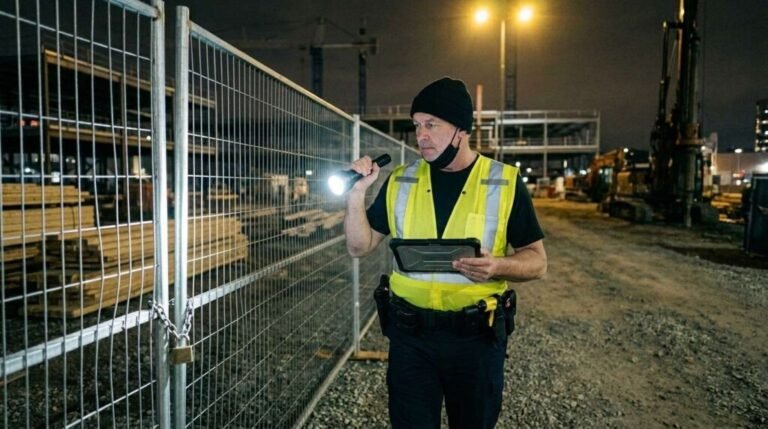
Understanding the Need for Security at Construction Sites
Construction sites are inherently vulnerable to a range of risks, especially during overnight hours when activity is typically reduced. These risks include theft, vandalism, and possible safety hazards that can compromise both the site and the well-being of personnel. As construction firms expand their operations across the United Kingdom, a comprehensive understanding of the security needs specific to these environments becomes crucial.
The range of valuable assets on a construction site—such as equipment, materials, and tools—makes them prime targets for criminals. When left unmonitored at night, these assets face a heightened risk of theft, resulting in significant financial losses for businesses. The impact can extend beyond immediate loss, affecting project timelines, budgets, and overall site productivity.
Moreover, vandalism can damage the infrastructure and expose the site to safety hazards. Inadequate protection not only leads to material loss but can also create treacherous conditions for workers, endangering their safety and health. It is essential for construction companies to implement effective overnight security solutions that safeguard against these risks.
Additionally, the protection of personnel must not be overlooked. Security breaches can lead to unsafe environments that put workers at risk. This calls for heightened awareness and systematic security measures to ensure everyone onsite operates in a safe and secure manner. Comprehensive strategies, ranging from physical barriers to surveillance systems, are vital for maintaining security.
In summary, understanding the necessity of security at construction sites, particularly during overnight hours, is fundamental to mitigating risks associated with theft, vandalism, and safety incidents. A robust approach to security not only protects assets but also supports a culture of safety and responsibility within the construction industry.
Common Threats to Construction Sites Overnight
Construction sites, when left unattended overnight, are vulnerable to a variety of threats that can significantly impact not only project timelines but also financial resources. One of the most pressing concerns is the theft of materials and tools. Valuable items such as copper wiring, power tools, and heavy machinery often become prime targets for thieves who are aware of the high resale value of these goods. The absence of immediate oversight can make it easier for intruders to pilfer supplies, ultimately leading to costly replacements and delays in the construction process.
In addition to theft, vandalism poses a serious risk to construction sites overnight. Vandals may deface property, damage equipment, or even cause safety hazards by tampering with structures or machinery. This destruction can lead to increased repair costs and may require additional security measures to prevent future incidents. Such activities not only compromise project integrity but can also expose workers to dangerous conditions should critical safety measures be compromised.
Another significant concern is the potential for safety hazards to arise when a site is not properly monitored. Unattended construction areas may present risks such as unsecured equipment, unmarked hazards, and inadequate site management protocols. These factors could result in accidents not only for workers but also for passersby who might unknowingly enter the site during the night. Hence, the lack of vigilance can lead to serious liability issues as well.
In summary, construction sites face a multitude of threats overnight that include theft, vandalism, and safety hazards. Understanding these risks is essential for implementing effective security solutions that protect both the site and the community surrounding it.
The Benefits of Overnight Security Measures
Implementing overnight security measures at construction sites offers numerous advantages that significantly enhance safety and project success. One of the primary benefits is the mitigation of risks associated with theft and vandalism. Construction sites can be vulnerable during off-hours, when personnel are absent. By deploying robust security solutions such as surveillance cameras, on-site guards, and alarm systems, these vulnerabilities can be effectively reduced. Such measures ensure that any unauthorized access is detected promptly, deterring potential criminal activities.
Furthermore, the presence of security personnel or surveillance technology during the night provides peace of mind to workers and property owners alike. Knowing that there are dedicated safety measures in place fosters a sense of security among employees, allowing them to focus on their tasks during working hours without the added worry of potential risks after their shifts. This psychological benefit is often overlooked but is critical to maintaining morale and productivity on site.
In addition to protecting physical assets, overnight security also plays a vital role in safeguarding the health and safety of construction workers. Accidents can occur during the night when visibility is low or when individuals may attempt to trespass. Adequate security presence ensures that workers and the site remain secure, which in turn minimizes the chances of accidental injuries. Moreover, comprehensive security plans can include regular safety audits and inspections conducted during the night, further contributing to a safe working environment.
Overall, the implementation of strategic overnight security measures is an essential component for any construction project. These measures not only protect valuable assets but also enhance the environmental safety of the site. By addressing security concerns preemptively, construction managers can prioritize workforce safety and effectively mitigate risks that might otherwise jeopardize the project’s timeline and budget.
Types of Security Solutions Available
Construction sites often present unique challenges when it comes to security, especially during overnight hours. To safeguard these locations, various security solutions can be implemented. Each solution has its own strengths and weaknesses, which should be considered carefully based on specific site requirements and risk assessments.
One effective solution is the deployment of physical security personnel. Trained security guards can monitor the construction site during off-hours, deterring potential intruders through their presence. Physical security not only improves response times during incidents but also enhances the overall sense of safety for equipment and materials stored on-site.
Another popular option is the installation of CCTV systems. These video surveillance systems can provide real-time monitoring, recording activities around the construction site even during the night. Advances in technology have led to high-resolution cameras that are capable of functioning well in low-light situations. Remote access to camera feeds allows site managers to keep an eye on operations from anywhere, further augmenting security measures.
Alarm systems are also a critical component of securing construction sites overnight. These systems can be programmed to trigger alerts based on movement detected in unauthorized areas or when equipment is tampered with. Modern alarm systems can send alerts directly to security personnel’s mobile devices, enabling fast reactions to potential breaches.
Mobile patrols represent another layer of security. Rather than stationary observation, patrols involve actively monitoring the site at irregular intervals. This unpredictability can deter criminal behavior more effectively than static security alone. Combining mobile patrols with other security measures, like CCTV and alarms, can provide comprehensive coverage of the entire site.
In conclusion, employing a combination of physical security personnel, CCTV systems, alarm systems, and mobile patrols can significantly enhance the overnight security of construction sites in the United Kingdom. By evaluating the specific needs and risks of a site, construction companies can tailor their security approach for optimal effectiveness.
Choosing the Right Security Provider
Selecting a reputable security service provider for overnight construction site security is a critical decision that requires careful consideration. The construction industry is often a target for theft, vandalism, and other criminal activities, making the presence of reliable security measures essential. To ensure the safety of valuable materials and equipment, it is important to assess potential security providers based on various key factors.
One of the first aspects to consider is the provider’s experience in the field. A company that has been operating for several years is likely to possess the necessary expertise to handle the unique challenges associated with construction site security. Their prior experience will also provide insights into effective strategies for mitigating risks and enhancing overall safety.
Accreditation is another critical factor in the selection process. Look for security companies that hold relevant certifications and comply with industry standards. Accreditation from recognized bodies can serve as an assurance of the provider’s integrity and professionalism. This not only reflects their commitment to quality service but also indicates that they adhere to best practices in security operations.
Moreover, the technology employed by the security provider plays a pivotal role in their overall effectiveness. Advanced security systems, such as CCTV surveillance, motion detectors, and access control systems, can significantly enhance the safety of the site. It is beneficial to inquire about the types of technology used, as well as how they are integrated into the security strategy. A provider that utilizes modern security solutions demonstrates a proactive approach to safeguarding construction sites.
Finally, it is advisable to check references and read reviews from previous clients. This feedback can provide valuable insight into the provider’s reliability and responsiveness to incidents. Overall, these considerations will aid in selecting a security provider capable of establishing a robust overnight security presence at your construction site.
Best Practices for Overnight Security in the UK
Ensuring the safety of construction sites during overnight hours is of paramount importance for the construction industry in the United Kingdom. To enhance overnight security effectively, a range of best practices should be implemented, tailored to the specific needs of the construction environment.
One prominent method is to adopt a layered security approach. This entails integrating various security measures to address different aspects of site safety. For example, physical barriers such as fencing can deter unauthorized access, while lighting plays a critical role in enhancing visibility and eliminating potential hiding spots. Surveillance cameras equipped with motion sensors can also add a robust layer of protection, enabling real-time monitoring.
Regular risk assessments are another essential practice for securing construction sites overnight. By evaluating potential vulnerabilities, site managers can identify the specific threats faced and deploy targeted security strategies. This process should involve reviewing past incidents, assessing current security measures, and considering site-specific factors such as location, proximity to urban areas, and equipment value. Conducting frequent assessments allows for adaptable security solutions and ensures that resources are allocated efficiently.
Additionally, involving local law enforcement in the security planning process is beneficial. Establishing a relationship with local police not only enhances community ties but also ensures that authorities are aware of the site’s specific security concerns and can act more effectively if incidents arise. Their insights can inform the security strategy, making it more responsive to the crime patterns prevalent in the area.
Incorporating these best practices—layered security approaches, regular risk assessments, and collaboration with law enforcement—can significantly improve overnight security for construction sites across the UK. By staying proactive in planning and implementing these strategies, the risks associated with construction activities during the night can be significantly reduced, ultimately safeguarding both personnel and property.
Legal Considerations and Compliance
Construction site managers in the United Kingdom must navigate a complex landscape of legal obligations and compliance requirements when implementing overnight security solutions. Understanding these legal frameworks ensures not only the safety of the site but also protects the interests of the workers and the surrounding community.
One of the primary considerations is adherence to health and safety regulations, such as those outlined in the Health and Safety at Work Act 1974. This legislation mandates that employers ensure the safety and welfare of their employees and, by extension, any visitors to the site. As such, construction site managers are responsible for mitigating risks associated with overnight operations. Implementing security measures like surveillance systems, fencing, and effective lighting can significantly enhance the safety of the site during non-working hours, in compliance with these regulations.
Furthermore, compliance with the Construction (Design and Management) Regulations 2015 places additional responsibilities on site managers to assess risks and implement security systems that deter unauthorized access. This is crucial, especially during night shifts when sites are more vulnerable to theft and vandalism. By conducting thorough risk assessments and establishing adequate security protocols, managers can align their operations with legal mandates.
Additionally, it is essential to consider the insurance implications associated with overnight security measures. Many construction insurance policies stipulate requirements for security to be in place as a condition for coverage. A failure to implement appropriate measures could result in claims being denied in the event of incidents such as theft or property damage. Therefore, construction site managers should consult with their insurance providers to understand the exact security requirements needed to maintain coverage.
Overall, the legal framework surrounding overnight construction site security emphasizes the importance of comprehensive planning and implementation of effective security measures. Proper adherence to regulations not only helps in avoiding legal repercussions but also promotes a safer working environment for all involved.
Case Studies: Successful Overnight Security Implementations
In the realm of construction site security, numerous projects across the United Kingdom have exemplified effective overnight security strategies. These case studies not only illustrate the challenges that were encountered but also highlight the solutions adopted and the positive outcomes achieved.
One notable case is the extensive redevelopment of the Battersea Power Station in London. This high-profile project faced significant challenges with theft and vandalism due to its urban location and the high value of materials on site. To combat these issues, the project management team implemented a comprehensive overnight security plan that included physical barriers, such as fencing and gates, and the installation of advanced surveillance technology. Security personnel conducted regular patrols, and their presence deterred potential intruders. As a result, theft incidents were significantly reduced, ensuring the continuity of the project and maintaining the schedule.
Another example can be found in the construction of the HS2 railway line, which involves multiple sites undergoing simultaneous construction activities. This large-scale endeavor presented its own security complexities, particularly in managing numerous teams and material storage areas. The site managers opted for a multifaceted security approach, integrating technology with traditional methods. They employed mobile CCTV units, along with drone surveillance to monitor vast areas during the night. Additionally, workers were engaged in security awareness training, fostering a culture of vigilance. Feedback from the security team indicated a marked decrease in unauthorized entry attempts, thus enhancing overall site security.
Finally, on a smaller scale, a residential construction site in Manchester implemented an innovative security strategy involving remote monitoring. This solution included installing smart cameras that allowed for real-time viewing of site activities from anywhere. Coupled with alarm systems and motion sensors, this approach proved particularly effective in the prevention of theft, as proactive alerts were received immediately upon suspicious behavior. The project manager reported that these measures not only protected the site overnight but also brought peace of mind to the investors involved.
Future Trends in Construction Site Security
The landscape of construction site security is continually evolving, driven by advancements in technology and an increasing emphasis on safety. In recent years, construction companies in the United Kingdom have begun to integrate innovative solutions to enhance overnight security measures. These trends not only aim to protect assets but also to improve overall site management.
One of the most significant developments is the use of drones for surveillance. Drones equipped with high-definition cameras provide a bird’s-eye view of construction sites, allowing for real-time monitoring. This aerial perspective is particularly beneficial during night hours when visibility is limited. By deploying drones, security personnel can quickly assess any unusual activity and react promptly, ensuring that unauthorized access is deterred.
Another notable trend is the implementation of artificial intelligence (AI) within surveillance systems. AI-driven cameras can analyze video feeds to identify suspicious behavior, such as loitering or trespassing. This capability not only increases the precision of security responses but also reduces the need for constant human monitoring. With AI, construction sites can benefit from intelligent alerts, enabling security teams to focus their efforts effectively during critical times.
Mobile security applications are also gaining traction as a means to enhance communication and coordination among security personnel. These applications allow for instant reporting of incidents, facilitating quicker response times. Moreover, they can provide access to site plans and emergency procedures, allowing security staff to evaluate situations promptly. By streamlining communication, these tools contribute to a more responsive security environment.
Overall, the future of construction site security in the United Kingdom looks promising, with a clear trend towards utilizing advanced technology. The integration of drones, AI surveillance systems, and mobile security applications into existing frameworks demonstrates a commitment to enhancing overnight security efforts. As these technologies develop further, it is likely that construction sites will see a marked improvement in safety and risk management, benefiting both workers and assets alike.


0 Comments