

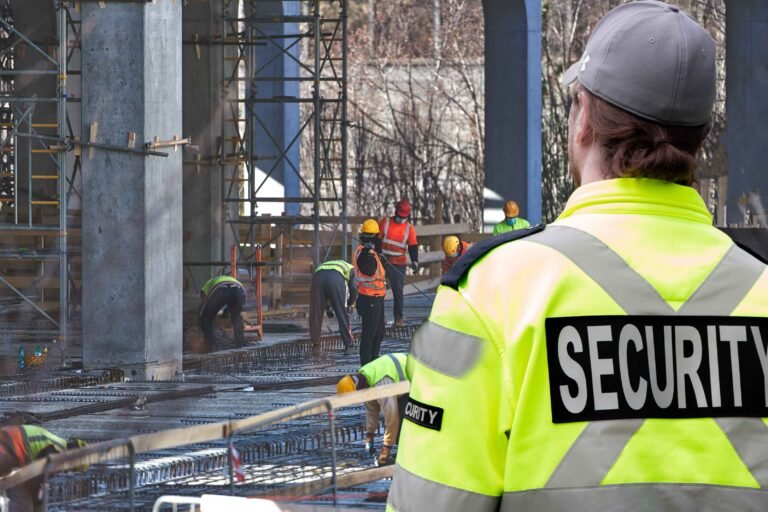
Understanding Construction Site Security
Construction sites often represent significant investments, both in terms of financial resources and time. Unfortunately, these sites also attract various threats, ranging from theft and vandalism to safety risks that can jeopardize not only the equipment and materials but also the workforce involved. Understanding the importance of security measures on construction sites is essential in mitigating these risks.
Theft can occur on construction sites where valuable equipment, tools, and materials are left unattended or insufficiently monitored. This prevalent issue impacts project timelines and budgets, making effective security systems a necessity. Moreover, vandalism can lead to property damage, which in turn delays operations and increases costs. By implementing robust security measures, site managers can deter potential criminals and safeguard essential assets.
In addition to these external threats, there are inherent safety risks involved in construction operations. The presence of unauthorized personnel or visitors can lead to accidents that result in injuries or even fatalities. Therefore, security services play an essential role in ensuring that only authorized individuals have access to various areas of the site. Access control strategies, including identification checks or the use of surveillance technology, help maintain a safer working environment while protecting assets.
Moreover, ensuring strong site security fosters a sense of safety among workers. When a construction team feels secure about their environment, they can focus on their responsibilities without the underlying anxiety regarding theft or accidents. In this way, effective security measures contribute to enhancing overall productivity. As construction projects are time-sensitive, implementing these protective strategies is critical to maintaining project schedules and avoiding costly delays.
In essence, understanding the dynamics of construction site security encompasses recognizing the diverse risks associated with construction operations. By investing in comprehensive security solutions, construction managers can protect their assets, safeguard personnel, and ensure the successful completion of projects within their designated timelines.
Common Security Threats in Construction Sites
Construction sites are inherently vulnerable to a variety of security threats. These threats not only compromise the integrity of the project but can also lead to significant financial losses and safety hazards. One of the most prevalent security threats faced by construction sites in the United Kingdom is intrusion. Unauthorised access can result in vandalism, theft, and even accidents involving trespassers.
Material loss is another significant issue that construction sites encounter. Valuable materials and equipment, such as tools, machinery, and raw construction materials, are often targeted by thieves due to their resale value. Reports indicate that the construction sector suffers from millions of pounds in losses annually due to such thefts. Furthermore, the absence of effective security measures can lead to delays in project timelines, impacting overall costs.
Safety liabilities present another layer of security threat for construction sites. Inadequately secured sites can pose risks to the general public and employees. For instance, a lack of proper fencing or signage can result in accidents involving pedestrians or other individuals who may wander into hazardous areas. Such incidents can lead to legal repercussions for the construction company, along with potential reputational damage.
Furthermore, incidents of arson, vandalism, and graffiti can also disrupt operations and tarnish the image of a construction project. These actions can escalate costs due to the need for repairs and restoration, in addition to diverting focus from the main objectives of the project. Securing a construction site against these threats is not merely a precaution; it is a necessity to ensure efficient and safe operations.
Types of Construction Site Security Services
Construction sites are often vulnerable to theft, vandalism, and unauthorized access, making security services essential for safeguarding valuable assets and ensuring a safe working environment. Various security services can be employed to protect construction sites effectively. This section will examine four primary types of security services: manned guarding, remote surveillance, access control systems, and alarm systems.
Manned Guarding is one of the most traditional forms of security service for construction sites. It involves the presence of security personnel who monitor the site, deter criminal activity, and provide a swift response to incidents. Manned guards are particularly effective in maintaining a visible security presence, which can significantly reduce crime rates. Their ability to interact with site personnel and visitors also promotes a safer atmosphere.
Remote Surveillance offers an advanced approach to security by utilizing high-definition cameras and monitoring systems to oversee the site around the clock. Security footage can be accessed in real-time, allowing for immediate action if suspicious activity is detected. This system is particularly beneficial for large sites, where constant monitoring may be challenging for human personnel alone. Moreover, the presence of surveillance cameras often acts as a deterrent to potential intruders.
Access Control Systems play a crucial role in regulating who can enter and exit the construction site. These systems use technology such as key cards, biometric scanners, or PIN codes to ensure that only authorized personnel can access specific areas. By controlling access points, construction sites can reduce the risk of theft and ensure that only trained individuals are on-site, thereby enhancing overall safety.
Alarm Systems are vital for providing immediate response capabilities in the event of a security breach. These systems can detect unauthorized access or detect signals from various detectors, such as motion or glass breakage sensors. When triggered, alarm systems alert security personnel or law enforcement, enabling a rapid response to threats and minimizing potential losses.
Each of these security services plays a vital role in constructing an effective security strategy for construction sites. Combining various services can provide a comprehensive security solution that addresses the unique challenges faced by the industry.
The Role of Technology in Site Security
Modern construction site security is increasingly shaped by advances in technology, which are enhancing safety and efficiency. One of the most notable innovations is the use of Closed-Circuit Television (CCTV) systems. These surveillance cameras provide real-time monitoring of construction sites, enabling security personnel to detect unusual activities promptly. The integration of high-definition cameras with infrared capabilities allows for effective surveillance both during the day and at night. Additionally, remote access to these camera feeds via mobile devices allows security teams to remain vigilant, even when they are offsite.
Another significant advancement is the application of drones for aerial surveillance. Drones equipped with high-resolution cameras can cover vast areas quickly, allowing for comprehensive monitoring of a construction site. They are particularly useful for identifying potential security breaches or hazards that may be difficult to discern from the ground. The aerial perspective provided by drones also aids in site management, ensuring compliance with safety protocols and reducing the risk of theft or vandalism.
Furthermore, biometric systems are becoming an essential component of construction site security. These systems utilize fingerprint or facial recognition technology to control access to sensitive areas of a construction site, ensuring that only authorized personnel can enter specific zones. This not only enhances security but also provides a method for tracking employee attendance and movement within the site.
Mobile security applications are also transforming how security teams operate. These apps can facilitate communication among team members, streamline incident reporting, and enhance response times during emergencies. By providing instant alerts and updates, mobile security technology ensures that security personnel can address potential threats swiftly and effectively.
In conclusion, the integration of modern technology into construction site security is a game-changer. The advancements in CCTV, drone surveillance, biometric systems, and mobile applications are all contributing to a more secure and efficient working environment. Embracing these technologies not only improves safety protocols but also protects valuable resources on site.
Choosing the Right Security Provider
When it comes to ensuring safety on a construction site, selecting the right security service provider is paramount. The provider you choose will play a significant role in safeguarding your assets, managing site risks, and ensuring compliance with safety regulations. Therefore, careful consideration is critical in making the right choice.
The first factor to assess is the provider’s experience in the industry. An established security company with a solid background in construction site security services will be better equipped to understand the unique challenges faced in this environment. They should have demonstrable expertise in dealing with potential security threats specific to construction sites, such as theft, vandalism, and unauthorized access.
Next, evaluate the range of services offered by the security provider. A comprehensive security package should include 24/7 monitoring, on-site security personnel, mobile patrols, and advanced technology solutions such as CCTV and alarm systems. It is beneficial to choose a provider that offers a tailored approach, customizing their services to meet the specific needs of your construction project.
Customer reviews and testimonials are also essential indicators of a provider’s reliability and efficiency. Research online reviews and seek feedback from past clients to gauge their satisfaction level. A reputable construction site security provider will likely have a track record of positive testimonials and referrals. Moreover, consider reaching out to previous clients directly to inquire about their experiences and the effectiveness of the security measures implemented.
Lastly, compliance with UK security standards is a non-negotiable requirement. Ensure that the selected provider adheres to the relevant regulations and is accredited by recognized industry bodies. This ensures that they are committed to maintaining the highest standards of safety and ethical practices.
In conclusion, selecting a reputable security service provider for your construction site involves a careful assessment of their experience, service offerings, customer feedback, and compliance with industry standards. Prioritizing these factors will help ensure that you secure a trustworthy partner in safeguarding your construction assets and managing site security effectively.
Cost Considerations for Security Services
When assessing the costs associated with hiring construction site security services, it is crucial to consider various factors that can significantly affect overall expenses. Construction sites are often targets for theft and vandalism, making security a vital investment. The primary cost elements to consider include personnel, technology, and equipment.
Personnel costs are typically the most significant expense when hiring security services. The rate charged may vary based on the experience and training level of the security personnel. Some companies may offer more budget-friendly options by providing unarmed guards or personnel with less training, which can still be effective in preventing unauthorized access or monitoring site activities.
In addition to personnel, the integration of technology can enhance site security and, in some instances, prove to be a more cost-effective solution. High-definition CCTV cameras, motion sensors, and access control systems are examples of technological investments that can provide 24/7 monitoring capabilities. These systems often deter criminal activity and can be cheaper than hiring additional guards, especially when considering long-term benefits.
Another cost consideration relates to the duration for which security services are needed. Short-term hires may seem less expensive but could lead to increased risks or losses. Therefore, engaging security services for longer durations can offer significant savings in the event of theft, damage, or delays in project timelines due to security breaches.
Investing in security services should be seen as an essential part of a construction project’s budget. Though it adds to the overall project costs initially, proper security measures can lead to substantial long-term savings by preventing losses and ensuring smooth project progression. Ultimately, effective security services pay for themselves by safeguarding valuable assets and minimizing financial setbacks associated with security challenges.
Best Practices for Enhancing Construction Site Security
Enhancing construction site security is crucial in mitigating risks and protecting valuable assets. Employing best practices can significantly reduce the vulnerability of construction projects. One of the first steps in this process is to ensure that all personnel involved in the project receive comprehensive training on security protocols. Regularly scheduled training sessions can educate staff about potential threats, proper reporting procedures, and the importance of maintaining a vigilant mindset.
Another key factor to consider is the implementation of adequate lighting across the site. Well-lit areas deter unauthorized access and create a safer working environment both during the day and night. Strategic placement of lights at entry points, perimeters, and along pathways can increase visibility, allowing for easier monitoring of activities and enhancing the overall safety for workers.
The physical layout of the construction site also plays an essential role in security enhancement. Designing the site with natural surveillance in mind can reduce potential crime. This may include positioning fences and gates in ways that facilitate observation, along with using barriers to control access effectively. Clear demarcation of areas designated for storage or high-value equipment is fundamental to minimizing theft risk, while ensuring that only authorized personnel have access to sensitive zones.
Regular security audits are vital for identifying potential weaknesses in the current security measures. These audits should be systematic and involve detailed assessments of the site’s overall security posture. By consistently evaluating procedures, stakeholders can make informed decisions about necessary improvements or modifications that need to be adopted to enhance site security.
Incorporating these best practices into the overall security strategy can lead to improved management of construction site risks, contributing to a safe working environment for all parties involved. A proactive approach fosters a culture of security awareness, ultimately benefiting the project’s timeline and budget by preventing disruptions associated with security breaches.
Legal Requirements and Compliance
In the United Kingdom, construction site security is governed by various legal requirements and compliance standards that are essential to ensure the safety and security of both the site and its personnel. These regulations outline the responsibilities of security providers and site managers, helping to establish a secure environment that adheres to legal obligations.
One of the primary pieces of legislation relevant to construction site security is the Security Industry Authority (SIA) licensing requirements. Security personnel, including guards and surveillance operators, must be certified by the SIA to perform their duties legally. This ensures a standard level of competence and training, promoting both physical safety and legal compliance.
Moreover, the Health and Safety at Work Act 1974 imposes duties on employers and site managers to ensure the health and safety of all workers on construction sites. Effective construction site security contributes to fulfilling these obligations by preventing unauthorized access and protecting against theft and vandalism. Site managers must assess the risks associated with their projects and implement adequate measures, including hiring licensed security personnel, to meet these health and safety standards.
Another important consideration is compliance with the Data Protection Act 2018, which highlights the need for responsible management of surveillance footage and personal data collected during security operations. Construction sites that utilize CCTV and other forms of monitoring must ensure that they operate within the legal frameworks that protect individual privacy rights.
Site managers should also familiarize themselves with local regulations and council bylaws, as these can affect security practices on site. Each region may have specific requirements for construction site security, including guidelines on the presence of security guards, fencing, and lighting.
In summary, adhering to legal requirements and compliance standards is critical for construction site security in the UK. By understanding and implementing these regulations, site managers and security providers can create a safer working environment and mitigate potential legal issues.
Future Trends in Construction Site Security
The future of construction site security services is poised for significant evolution, influenced by emerging trends, innovative technologies, and the shifting landscape of potential threats. As construction projects grow in scale and complexity, the need for robust security measures becomes increasingly paramount. One key trend is the integration of advanced technology into security protocols, which is transforming traditional methods of safeguarding construction sites.
Among the innovations driving this change is the application of smart surveillance systems. These systems utilize artificial intelligence (AI) and machine learning algorithms to enhance monitoring capabilities. Real-time analytics can detect suspicious activities, enabling swift responses to potential breaches. Additionally, drones are becoming more prevalent in overseeing large construction sites, offering aerial perspectives that would typically be unattainable through conventional surveillance methods.
Moreover, the rise of remote monitoring technology is also noteworthy. Security personnel can now manage multiple sites from centralized locations, utilizing live feeds from cameras and sensors. This not only improves efficiency but also reduces the need for on-site security staff, allowing for a reallocation of resources to areas that require closer attention.
Alongside these technological advancements, it is essential to recognize the evolving threats that construction sites face. Cybersecurity risks have emerged as a major concern, especially as digital tools are increasingly relied upon for project management and communication. Protecting sensitive data and ensuring network security will be crucial components of future construction site security strategies.
Furthermore, as sustainability becomes a focus in the construction industry, eco-friendly security measures will likely gain traction. This can include solar-powered cameras and sustainable practices in the deployment of security personnel.
Ultimately, project managers must stay informed about these trends and adapt their security strategies accordingly. Embracing innovative technologies and understanding emerging threats will be essential for maintaining secure and efficient construction environments.


0 Comments