

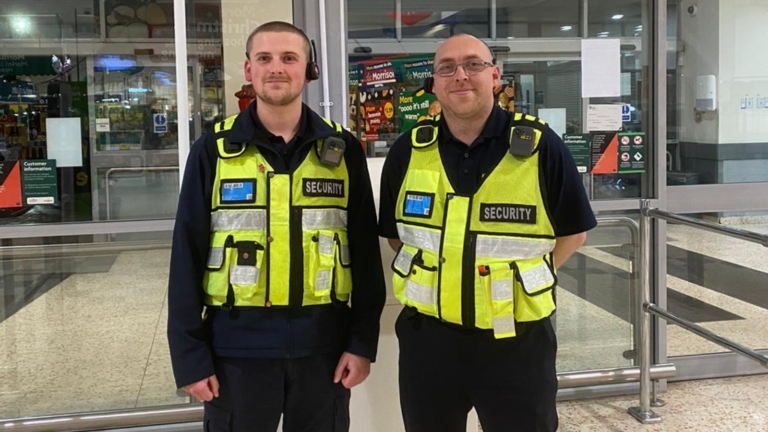
Introduction to Retail Security Guard Services
Retail security guard services play a pivotal role within the retail industry in the United Kingdom. These services are designed to protect businesses from various security threats, including theft, vandalism, and other risks that can significantly impact operations and profitability. By employing trained security personnel, retail establishments can create a safer shopping environment for customers while safeguarding their assets.
The presence of security guards acts as a deterrent to potential criminals who may consider targeting a store. Their visibility can help reduce shoplifting and other illegal activities, thus maintaining the integrity of the retail operation. Furthermore, security guards are trained to handle various situations that may arise, such as crowd control during busy shopping periods or responding to emergencies effectively. Their expertise enhances overall safety measures within the retail environment.
In addition to loss prevention, retail security guard services provide critical support in building a positive customer experience. Shoppers tend to feel more secure in environments where security personnel are visible and interacting with both staff and customers. This positive atmosphere can lead to increased customer trust and loyalty, ultimately benefiting the business’s bottom line.
Moreover, these security services contribute to the operational efficiency of retail settings. By managing security risks, they allow staff to focus more on customer service and less on potential security threats. Regular training and updated protocols help ensure that security guards are equipped to adapt to the evolving landscape of retail security challenges. Through a strategic approach, retail security guard services serve as a fundamental component of modern retail operations in the UK.
Types of Retail Security Guards
In the realm of retail security, various types of security personnel are employed to ensure safety and prevent theft, each serving distinct functions tailored to specific retail environments. The most common categories include uniformed guards, undercover security personnel, and mobile patrols.
Uniformed guards are typically seen at the entrances and exits of retail establishments. Their visible presence acts as a deterrent against criminal activities, reassures shoppers, and provides an immediate resource for assistance if needed. Uniformed guards are trained to handle theft, manage customer disputes, and enforce store policies, making them a crucial asset in maintaining order within the retail space.
Contrarily, undercover security personnel operate discreetly within the store. Their main objective is to observe and identify potential shoplifting efforts without alarming customers or suspects. This stealth approach allows undercover guards to gather intelligence on customer behavior and develop effective strategies to curb theft. The element of surprise is their primary weapon, often leading to effective interventions before a theft occurs.
Mobile patrols represent another type of security guard service, often utilized for larger retail premises or shopping centers. These patrols cover more extensive ground than static guards and are essential in monitoring various areas. They conduct regular checks and maintain vigilance over all parts of the property, including parking lots. Their mobility enables them to respond promptly to incidents, ensuring that any security threat is addressed efficiently.
In conclusion, understanding the types of retail security guards is vital for retail businesses aiming to enhance their security measures. Each type, whether uniformed, undercover, or mobile, plays a significant role in ensuring a safe shopping environment, thereby protecting both assets and customers in diverse retail settings.
Legal Framework Governing Retail Security
The operation of retail security guard services in the United Kingdom is governed by a robust legal framework that ensures compliance with ethical and operational standards. One of the cornerstone regulations is the Private Security Industry Act 2001, which established the Security Industry Authority (SIA). The SIA is responsible for licensing individuals who work in the private security industry, including retail security guards.
To obtain an SIA license, applicants must meet specific criteria, including undergoing a background check to ensure they do not have any serious criminal convictions. This licensing requirement underscores the importance of trust in retail environments, as security personnel are often the first line of defense against theft and other illicit activities.
In addition to licensing, training standards are also integral to the legal framework governing retail security. Security guards are required to complete a recognized training course that covers various aspects of their role, such as conflict management, public safety, and customer service skills. This comprehensive training ensures that security personnel are well-equipped to handle situations that may arise in retail settings.
Furthermore, the legal guidelines also outline the rights of security personnel, which include the right to carry out their duties without interference and the right to appropriate personal protective equipment. These rights are critical, as they empower security guards to perform their responsibilities effectively while also ensuring their safety.
Retail businesses engaging security services must comply with these regulations to mitigate legal risks and enhance safety protocols. Consequently, understanding the legal framework surrounding retail security is essential for both retailers and security service providers, allowing them to navigate the complexities of compliance and operational integrity.
Benefits of Hiring Retail Security Guards
Employing retail security guards offers a multitude of advantages that greatly contribute to the safety and success of a retail business. One of the primary benefits is the enhancement of customer safety. With a visible security presence, customers tend to feel more secure while shopping. This sense of safety can lead to longer visits and a greater likelihood of making purchases, ultimately boosting sales and customer satisfaction.
Furthermore, retail security guards serve as a deterrent to theft and shoplifting. Their presence alone can discourage potential thieves from attempting to steal merchandise, thereby protecting the store’s assets. Studies have shown that businesses that employ security personnel experience a notable decline in inventory loss, which positively impacts profitability. Additionally, security guards are trained to identify suspicious behavior, allowing them to intervene before theft occurs, providing an extra layer of protection for the store.
In addition to preventing theft, hiring retail security guards can significantly enhance a business’s reputation. A safe shopping environment is essential for attracting and retaining customers. When patrons feel secure, they are more likely to return, recommend the store to others, and leave positive reviews, which can influence potential customers. An improved public image can lead to increased foot traffic and sales, making retail security guards not just a cost, but a valuable investment.
Moreover, the presence of security guards does not only benefit customers but also boosts employee morale. Staff members feel more secure and supported, which can enhance their performance and engagement. A safer workplace can lead to lower turnover rates among employees, reducing hiring and training costs for the business. Overall, the advantages of hiring retail security guards create a more secure shopping experience for customers and a conducive working environment for employees, fostering a thriving retail operation.
Challenges Faced by Retail Security Guards
Retail security guards play a critical role in maintaining safety and order within retail environments. However, the nature of their work presents a variety of challenges that can complicate their responsibilities. One significant challenge is dealing with difficult customers. This may involve individuals who are intoxicated, aggressive, or engaging in theft. Security personnel must handle such situations with tact and professionalism, striving to de-escalate tension while ensuring customer safety and property protection.
Another pressing challenge is the management of situations that can escalate quickly. Retail settings are dynamic, with various factors at play that can provoke sudden unrest or criminal activity. Security guards must be vigilant, as they are often the first line of defense against events such as shoplifting or altercations among customers. Their training prepares them to respond swiftly and effectively, but the unpredictability of human behavior adds a layer of complexity to their roles.
Moreover, the physical and emotional demands of the job are noteworthy. Security guards are frequently required to stand for long periods and remain alert, which can lead to physical fatigue. The emotional toll of encountering volatile situations regularly can lead to increased stress levels, impacting their mental well-being. Guards must maintain a strong mental fortitude to cope with the pressures of their positions, balancing assertiveness with empathy in their interactions.
In conclusion, the roles of retail security guards are filled with various challenges. From managing difficult customer interactions to navigating rapidly escalating situations and coping with the physical and emotional demands of the job, these professionals play an essential role in enhancing the safety and security of retail establishments. Their ability to manage these challenges effectively is vital to the overall success of retail security operations.
Tech Innovations in Retail Security
The landscape of retail security has undergone significant transformation in recent years, particularly due to technological advancements that have greatly enhanced the effectiveness of security guard services. These innovations enable security personnel to combat theft, deter criminal activities, and maintain a safe shopping environment for customers. One of the primary advancements in this sector is the integration of sophisticated surveillance systems. Modern CCTV cameras not only provide high-definition video footage but are also equipped with features like night vision, movement detection, and remote access capabilities. These features allow security guards to monitor areas in real time, ensuring swift responses to any irregular activities.
Moreover, the advent of alarm technologies has also played a pivotal role in improving retail security. Alarm systems are now more advanced, with options for motion sensors and perimeter alarms that alert security personnel immediately when unauthorized access is detected. This immediacy is crucial in preventing theft and ensuring a quick response to potential threats.
In addition to cameras and alarms, various gadgets have emerged that further enhance the capabilities of retail security guards. Wearable technology, such as body cameras, provides an additional layer of security and accountability. These devices not only capture interactions and incidents as they happen but also serve as a deterrent to would-be offenders who are aware they are being recorded. Furthermore, mobile applications designed specifically for security personnel streamline communication and reporting processes, ensuring that information is shared swiftly and effectively among team members. As these technologies continue to evolve, the landscape of retail security guard services in the United Kingdom will likely continue to improve, providing enhanced safety for both consumers and retailers alike.
Training and Qualifications for Retail Security Guards
Retail security guards play a crucial role in maintaining safety and order within retail environments across the United Kingdom. To effectively perform their duties, it is imperative that they undergo comprehensive training and possess the necessary qualifications. The training typically covers a variety of essential skills tailored to the unique challenges faced in retail settings.
One of the fundamental areas of training includes conflict management. Given the interactive nature of retail environments, security personnel must be adept at de-escalating potentially volatile situations. This training empowers guards to handle disputes calmly and professionally, preventing incidents from escalating further and ensuring the safety of both customers and staff.
Additionally, retail security guards are often required to be certified in first aid. This qualification allows them to provide immediate assistance in medical emergencies, thereby enhancing the safety and security framework of the retail space. Basic first aid skills ensure that guards can respond effectively to injuries, whether they occur on the sales floor or in the parking lot, showcasing their vital role in safeguarding health and safety.
Customer service skills are another critical component of training for retail security guards. Working within a public-facing role, guards are frequently the first point of contact for customers. Therefore, the ability to engage with patrons respectfully and assist them appropriately is paramount. Training in customer service fosters a welcoming environment and can help in preventing misunderstandings that may lead to conflicts.
Furthermore, all retail security personnel must adhere to specific legal standards and hold appropriate licenses, such as the Security Industry Authority (SIA) license. This licensing ensures that guards have met the necessary criteria related to their conduct and abilities, thereby instilling confidence among retailers and consumers alike.
In conclusion, effective training and qualifications, encompassing conflict management, first aid, and customer service, are vital for retail security guards in the UK. These elements not only enhance the guard’s ability to perform their duties effectively but also contribute to a safer retail environment for everyone involved.
Case Studies of Effective Retail Security
The implementation of retail security guard services has proven effective across various environments in the United Kingdom, demonstrating the significance of tailored approaches in addressing security challenges. This section explores several case studies that highlight best practices and key lessons learned from successful retail security operations.
One notable example is a leading national supermarket chain that recognized a considerable increase in shoplifting incidents during peak shopping hours. By employing an additional team of security personnel trained specifically for retail environments, the company effectively reduced theft by 40% within the first three months. The security guards were strategically placed within the stores and conducted regular patrols, which not only deterred criminal activity but also increased customer satisfaction through visible safety measures.
Another compelling case comes from a high-end fashion retailer located in a popular urban area. The store faced persistent issues with organized retail crime due to its valuable merchandise. In response, the retailer partnered with a specialized security service to develop a comprehensive security strategy. This included a combination of trained security guards and advanced surveillance technology. The partnership resulted in a 60% drop in theft attempts while enhancing the overall security atmosphere in the store, showcasing the effectiveness of multi-layered security strategies.
In addition, a large electronics retailer implemented a community-focused security program involving local security guards who were familiar with the area and its residents. This initiative fostered trust and collaboration between the retailer and the community, leading to reduced crime rates around the store. Their proactive engagement with the local community not only improved safety but also bolstered customer loyalty.
These case studies illustrate that successful retail security guard services require a nuanced understanding of the specific environment, a tailored approach, and often a combination of human resources and technology. Retailers can learn from these examples to develop and refine their security strategies, ensuring they adapt to the evolving landscape of retail security.
Future Trends in Retail Security Services
As the retail landscape continues to change, the future of retail security guard services in the United Kingdom is poised to evolve significantly. Emerging threats, such as cybercrime and organized retail theft, necessitate a proactive approach to security that leverages technology and innovative strategies. Retailers increasingly recognize that security is not just about physical presence but also about integrating advanced systems and processes that enhance overall safety.
One of the most notable trends is the incorporation of artificial intelligence (AI) into retail security operations. AI-powered systems are now able to analyze data in real time, helping security personnel anticipate potential threats before they materialize. Video surveillance systems infused with AI capabilities can identify suspicious behavior, alerting security guards promptly. This technological integration allows for a more efficient response to incidents, ultimately protecting both assets and customers.
Moreover, automation is set to play a crucial role in the future of retail security services. Automated patrol robots and drones are already being tested in several retail environments, providing an additional layer of surveillance and support to human security personnel. These innovations not only enhance security measures but also free guards to focus on higher-level tasks that require human judgment and interpersonal skills.
In addition to technological advancements, there is a growing emphasis on training and development for security personnel. As threats become more sophisticated, security guards must be equipped with the necessary skills and knowledge to combat these challenges effectively. This includes training in conflict resolution, emergency response, and the use of advanced security gadgets.
In conclusion, the future of retail security guard services in the UK is characterized by a blend of cutting-edge technology, automation, and enhanced training for personnel. As retailers anticipate evolving threats, they are expected to adopt a comprehensive approach to security that integrates both human and technological resources effectively. This alignment will better serve the needs of the industry and foster a safer shopping environment for consumers.


0 Comments