

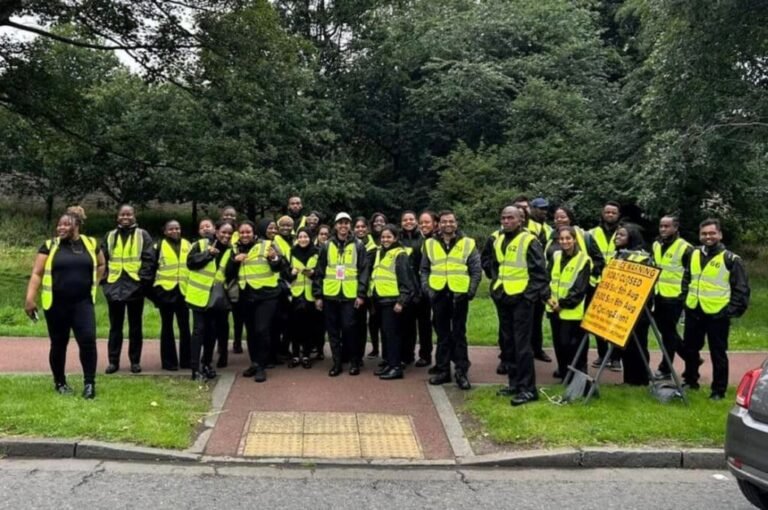
Introduction to Concert Security in the UK
Concerts in the United Kingdom are dynamic events that draw large crowds, making security a paramount concern for event organizers. The nature of such gatherings presents unique challenges that necessitate a robust security framework to ensure the safety of all attendees. The significance of concert security cannot be overstated, as it provides not only protection for individuals but also preserves the overall integrity of the event.
One of the primary reasons for the critical nature of security at concerts is the potential for incidents that could disrupt the enjoyment and safety of the audience. Factors such as overcrowding, potential criminal activity, and health emergencies highlight the need for well-trained security personnel. These professionals are tasked with maintaining order, managing crowds, and responding swiftly to any adverse situations, which can range from minor disturbances to serious threats.
Moreover, the UK’s concert security landscape is shaped by specific regulations and standards designed to protect the public. Event organizers must navigate these guidelines to deliver a secure experience while also ensuring compliance with legal obligations. This includes conducting thorough risk assessments, deploying the appropriate number of security staff, and ensuring they are equipped to handle various scenarios, from providing first aid to dealing with unruly behavior.
In summary, concert security in the UK is a multifaceted aspect of event planning that demands careful consideration. The responsibility of ensuring a safe environment lies not only with those attending but significantly with the event organizers who must implement effective security measures. As such, understanding the unique challenges associated with large gatherings is essential to maintaining a safe atmosphere for all involved.
Types of Security Personnel at Concerts
At UK concerts, various types of security personnel are essential for maintaining safety and ensuring a smooth event experience. Each type of security personnel has distinct roles, responsibilities, and training that contribute to the overall security framework of the concert environment.
One of the most commonly recognized types of security guards at concerts is the event security guard. These individuals are typically stationed at entry points, patrolling the venue to monitor the crowd and ensure that safety regulations are followed. Their training often includes conflict resolution, emergency response protocols, and familiarization with the layout of the venue to facilitate effective crowd management. The presence of event security guards helps reinforce a sense of safety among attendees.
Crowd managers play a vital role in overseeing the behavior of the audience during events. Their responsibilities include monitoring crowd dynamics, identifying potential hazards, and ensuring that attendees comply with safety protocols. Crowd managers are often trained to recognize signs of distress or aggression among concertgoers, allowing them to intervene early and prevent escalation. This proactive approach is crucial for maintaining a positive atmosphere and ensuring that the event can proceed without disruption.
In addition to these roles, specialized security teams may also be present, particularly at larger or high-profile events. This can include K9 units trained in detecting prohibited items or signal jamming devices, as well as crisis management teams that are prepared to handle emergencies with professionalism and efficiency. These specialized teams undergo rigorous training that prepares them for specific scenarios that may arise during a concert.
Ultimately, the integration of various types of security personnel at UK concerts is essential for creating a safe and enjoyable experience for all attendees. Each member plays a crucial role, and their combined efforts contribute to the overall effectiveness of event security.
Regulatory Standards for Concert Security
The provision of concert security in the UK is governed by a range of legal and regulatory standards designed to ensure the safety and welfare of attendees, performers, and staff. These regulations are crucial in guiding event organizers and security personnel in maintaining an effective and compliant security environment. One of the primary frameworks under which concert security operates is the Security Industry Authority (SIA) licensing requirement. This legislation mandates that security staff employed for events must possess the appropriate licenses, ensuring that only trained and vetted individuals are responsible for maintaining safety.
In addition to the licensing requirements, there are stringent stipulations regarding the training credentials of security personnel. Security professionals must undergo specialized training that not only covers essential safety protocols but also imparts skills specific to crowd management, conflict resolution, and emergency response procedures. This training ensures that security staff are well-equipped to handle various situations that may arise during a concert, from medical emergencies to potential threats to public safety.
Moreover, the UK has implemented mandatory safety protocols that must be adhered to during concerts. These protocols encompass various aspects of event management, including risk assessments, emergency evacuation plans, and effective communication strategies. Event organizers are required to conduct thorough risk assessments ahead of each concert, which helps identify potential hazards and allows for the development of tailored safety measures. Furthermore, coordination with local authorities and law enforcement is essential to enhance security and preparedness, ensuring that all necessary precautions are in place. By establishing these comprehensive regulatory standards, the UK aims to foster a safe and secure environment for all concertgoers, thereby enhancing the overall experience for everyone involved.
Risk Assessment and Planning for Events
Risk assessment is a critical component in ensuring the safety of attendees at concerts and large events. It involves a systematic process where event organizers and security teams identify potential hazards that could impact the well-being of participants and staff. This proactive approach lays the groundwork for creating a secure environment and mitigating risks effectively.
Initially, the risk assessment process requires gathering information on the event venue, including its layout, capacity, and accessibility. Additionally, organizers must consider the nature of the event itself, such as the expected audience size, the types of performances, and any specific activities that may pose additional risks. By conducting a thorough analysis of these factors, security teams can pinpoint vulnerabilities and formulate strategies to address them.
Following the identification phase, contingency plans are developed to mitigate the risks uncovered during the assessment. These plans specify clear protocols for various scenarios, such as medical emergencies, crowd surges, or potential threats to public safety. For instance, if a concert is likely to attract a large and potentially unruly crowd, security personnel must establish procedures for effectively managing the audience and controlling access to restricted areas.
It is essential for security teams to engage in ongoing communication with event organizers, local authorities, and emergency services throughout the planning process. This collaboration not only aids in refining the risk assessment but also ensures that everyone involved is aware of their roles and responsibilities in the event of an emergency. Regular training sessions and drills can further reinforce these protocols, allowing all staff members to respond swiftly and efficiently if a situation arises.
In conclusion, effective risk assessment and planning are vital for ensuring safety at concerts. By identifying potential hazards and implementing comprehensive safety protocols, event organizers and security personnel play a crucial role in safeguarding the well-being of all attendees.
Technology in Concert Security
The integration of technology within concert security has become an essential component in ensuring a safe environment for attendees. Surveillance cameras are a prime example of technological advancements that enhance security at large events. These cameras provide real-time monitoring of various areas, allowing security personnel to identify any suspicious behavior promptly. The presence of visible surveillance not only aids in incident detection but also acts as a deterrent for potential wrongdoers.
Metal detectors play a crucial role in enhancing the safety measures at concerts. By screening attendees for prohibited items, these devices significantly reduce the risk of weapons or dangerous objects being smuggled into venues. The deployment of handheld metal detectors allows security teams to conduct thorough checks without causing excessive delays, thus maintaining the flow of entry while ensuring safety. This technology not only promotes personal safety but also instills a greater sense of security among concert-goers.
Crowd management software has emerged as an invaluable tool for event organizers and security teams. Utilizing data analytics, this software aids in assessing crowd density and flow, ensuring that areas do not become overcrowded. By anticipating the movement and behavior of the audience, security staff can implement timely interventions to prevent potential hazards. Moreover, modern communication tools enable better coordination among team members, facilitating a swift response to any incident that may arise during the event.
In addition to these technologies, the use of drones for aerial surveillance has gained traction in recent years. Drones provide a unique vantage point, enabling security teams to monitor large crowds effectively. With the ability to quickly survey areas that may be challenging to access on foot, drones enhance situational awareness and response capabilities. Overall, the adoption of these technological solutions in concert security contributes significantly to risk management and incident prevention, ensuring a safer experience for all participants.
Emergency Response Protocols at Concerts
Effective emergency response protocols are crucial for ensuring safety during concerts, given the large crowds and the potential for various emergencies to arise. Security teams must be well-prepared to handle situations ranging from medical emergencies to evacuations and threats to public safety. Preparation begins long before the concert doors open, as security personnel engage in comprehensive planning that includes risk assessment and coordination with local emergency services.
One core component of emergency response is medical preparedness. Security guards are typically trained in first aid and CPR, enabling them to provide immediate assistance in the event of a medical emergency. This training allows them to assess situations promptly and administer basic care, ensuring that injured individuals receive help while waiting for professional medical assistance. In addition to individual training, security teams often work alongside on-site medical personnel, setting up locations for aid that can be easily accessed by attendees.
Another vital aspect of emergency protocols is the establishment of clear evacuation procedures. Security personnel are responsible for directing attendees to safe exits in the event of an emergency that necessitates evacuation, such as a fire or bomb threat. This involves logistical planning, including identifying escape routes and conducting drills to ensure that security teams are familiar with the venue layout. Proper signage and communication systems are also implemented to guide concert-goers to safety efficiently.
Moreover, the role of security guards extends to assessing potential threats before and during the event. This includes monitoring crowds for unusual behavior, drafting incident reports, and maintaining communication with law enforcement agencies for real-time updates. By proactively identifying potential risks, security teams can implement preventative measures, ensuring a safer environment for everyone involved.
In summary, the emphasis on comprehensive emergency response protocols is essential for security teams managing concerts. By focusing on medical preparedness, evacuation plans, and proactive threat assessment, security guards play a pivotal role in upholding safety and ensuring a secure atmosphere for all attendees.
Training and Certification for Security Guards
The training and certification of security guards in the UK are essential components that ensure public safety at events such as concerts. Security personnel must undergo rigorous training to equip them with the skills necessary for effectively managing crowds and maintaining order during potentially chaotic situations. The UK has set forth specific regulations overseen by the Security Industry Authority (SIA) that dictate the qualifications required for security guards to operate at events.
One of the primary requirements is that aspiring security guards must complete an SIA-approved training course. This course includes various modules, such as conflict management, patrolling techniques, and emergency procedures. Each module is designed to ensure that guards can handle a range of scenarios that may arise at concerts, from addressing unruly behavior to assisting attendees in emergencies. The training also emphasizes the importance of communication and teamwork, vital skills for anyone tasked with maintaining safety in a crowded environment.
In addition to initial training, security guards are also encouraged to participate in ongoing professional development. This ongoing training is crucial in keeping guards updated about the latest best practices in crowd management and emergency response. Many organizations provide refresher courses and specialized training to enhance specific skills, such as first aid or advanced crowd control tactics.
Certification is awarded upon successful completion of the required training and passing the necessary examinations. This certification not only reflects a guard’s competence but also reassures event organizers and attendees that safety measures are being upheld to the highest standards. By adhering to these training protocols, security teams can ensure they are adequately prepared to respond to the challenges that come with managing large gatherings at concerts and other public events.
Case Studies: Notable Concert Security Incidents
Concerts often bring together large crowds, creating a unique set of challenges for security teams. Throughout the UK, several concert security incidents have underscored the paramount importance of effective crowd management and responsive security measures. By examining these case studies, we can gain valuable insights into what transpired, the responses invoked, and the lessons learned for future events.
One notable incident occurred during a music festival in 2017, where a breach in the designated perimeter led to unauthorized access by individuals carrying prohibited items. The security team, unprepared for such an infiltration, struggled to reclaim control, resulting in chaotic scenes. This incident highlighted the need for comprehensive pre-event security assessments, rigorous training for staff, and the implementation of advanced surveillance technologies. In the aftermath, concert organizers emphasized the importance of thorough security checks, both at entry points and within the venue, to mitigate risks effectively.
Another significant case was the Manchester Arena bombing in 2017, which tragically occurred at the end of an Ariana Grande concert. The event exposed vulnerabilities in security planning, as despite extensive measures in place, an internal threat prevailed. In response to this incident, security protocols across the UK were reevaluated. A commonly noted improvement was the integration of community-based intelligence into operational plans, fostering collaboration between concert organizers and local law enforcement agencies. This emphasized that concert security is not solely the responsibility of private companies; public safety agencies play a crucial role in protecting attendees.
These incidents serve as stark reminders of the continuous evolution required in concert security strategies. With each event, the lessons learned contribute to the refinement of security practices, reinforcing the need for vigilance, comprehensive risk assessments, and a proactive approach. Moving forward, it is essential for event organizers to prioritize the integration of cutting-edge technology and collaborative planning with law enforcement to ensure the safety of all concertgoers.
Future Trends in Concert Security
As the landscape of live events continues to evolve, so too do the trends and innovations in concert security. Emerging societal norms, technological advancements, and the nature of potential threats have compelled security professionals to adapt their strategies for ensuring safety at UK concerts. One of the most significant trends is the integration of advanced technology into security protocols. For instance, the use of artificial intelligence and machine learning in surveillance systems enhances the ability to detect suspicious behavior in real time. By analyzing crowd dynamics and identifying patterns, these technologies can alert security personnel to potential risks before they escalate.
Moreover, the implementation of biometric technologies, such as facial recognition, is gaining traction. While it raises discussions around privacy concerns, its potential to streamline entry processes and identify known offenders is undeniable. These developments in technology are not only geared towards prevention but also towards creating a more responsive security environment during events.
In addition to technological advancements, changing societal norms play a crucial role in shaping concert security strategies. The increased awareness around mental health and the importance of inclusivity in events call for a more compassionate approach to managing crowds. Security personnel are now being trained not only in physical safety tactics but also in conflict resolution and communication skills to effectively engage with attendees.
Another critical aspect is the response to emerging threats, such as terrorism and cyber incidents. Security programs are evolving to include cybersecurity measures, ensuring the safety of ticketing systems and personal data of concert-goers. This multifaceted approach is essential in addressing the myriad of risks associated with large gatherings.
In conclusion, the future of concert security in the UK is characterized by a blend of innovative technology, an understanding of societal values, and a proactive stance against evolving threats. By embracing these trends, event organizers can enhance the safety of concerts and foster a secure environment for all attendees.


0 Comments