

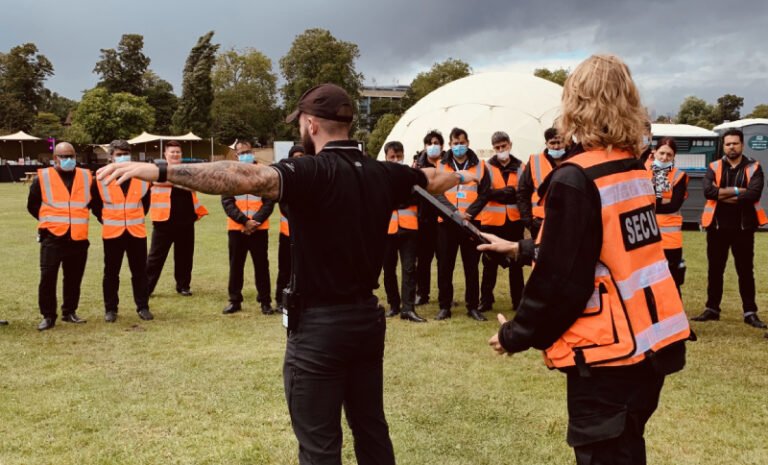
Understanding Event Security Services
In the United Kingdom, event security services are essential to ensure the safety and security of various gatherings, ranging from corporate events and concerts to sports competitions and private functions. These services encompass a comprehensive range of responsibilities and are tailored to meet the specific needs of each event.
Event security personnel are typically tasked with maintaining order, preventing unauthorized access, and responding to emergencies that may arise during the occasion. Their roles can vary widely depending on the nature of the event. For example, in large outdoor festivals, security teams are often responsible for crowd management, which includes establishing clear pathways, controlling entry points, and managing vendor areas. In contrast, private functions may require a more discreet approach, where security personnel maintain a low profile while ensuring the safety of guests.
Effective security management is paramount in the planning and execution of any event. This begins with a thorough risk assessment that identifies potential threats or vulnerabilities. Based on this assessment, event organizers can collaborate with security specialists to develop a robust security plan that outlines the necessary measures and resources required to protect attendees and ensure a successful event. The importance of communication cannot be overstated; a well-prepared security team must be able to coordinate with local law enforcement and emergency services when necessary.
In addition to physical security measures, there is an increased reliance on technology, such as CCTV and surveillance systems, to monitor environments and deter potential threats. This evolution in event security services demonstrates a proactive approach to safeguarding public gatherings, reflecting the broader trends in safety and security management.
Key Components of Event Security Planning
Effective event security planning is crucial for ensuring the safety and well-being of all participants. The first essential component is a comprehensive risk assessment. This involves identifying potential threats, vulnerabilities, and the unique challenges presented by the event’s specific location and nature. By analyzing historical data and consulting with law enforcement, security professionals can create a tailored security plan that addresses all possible risks.
Another significant element is crowd management strategies. Effective crowd management helps in controlling the flow of attendees, minimizing the risk of overcrowding, and ensuring quick evacuation routes in case of emergency. This may involve the establishment of designated entry and exit points, barriers, and clear signage to guide attendees throughout the event. Trained personnel should be deployed at strategic locations to assist with crowd control and maintain a safe environment.
Communication protocols are also vital in event security planning. A well-prepared team must have established methods for communication among security staff, event organizers, and local law enforcement. This can include radios, mobile applications, and a command center that allows for real-time updates and quick responses to incidents. Ensuring that all security personnel are aware of these protocols fosters a cohesive and effective security force.
Furthermore, the integration of technology in security measures is becoming increasingly important. Modern security systems may include surveillance cameras, drones, access control systems, and facial recognition technology. Utilizing these tools enhances monitoring capabilities and allows for quicker identification of potential threats. By leveraging technology, security teams can respond more efficiently and create a safer environment for all event attendees.
Incorporating these key components into event security planning not only improves the overall security framework but also increases confidence among attendees and organizers alike. A well-executed plan helps ensure a successful event while maintaining a high standard of safety and security for everyone involved.
Types of Security Personnel for Events
When organizing an event, the importance of having a well-trained security team cannot be overstated. Various types of security personnel are essential to ensure the safety and smooth operation of any gathering, regardless of scale. Among the most common roles are security guards, crowd controllers, medical personnel, and dog handlers, each contributing uniquely to the overall security strategy.
Security guards are typically the first line of defense at events. Their primary responsibility is to monitor the venue, enforce rules and regulations, and respond to any security issues that may arise. Security guards receive training in conflict resolution, emergency response, and risk management, equipping them with the skills necessary to handle a variety of situations. A visible security presence not only deters potential disruptions but also reassures attendees of their safety.
Crowd controllers play a crucial role, especially in larger events where managing large groups of people is essential. These personnel specialize in controlling crowd dynamics, ensuring that attendees are safe and the flow of movement is efficient. Their training typically includes strategies for crowd control, communication skills, and the ability to identify potential safety hazards quickly. An effective crowd controller can mitigate risks associated with overcrowding and prevent panic situations.
In addition to general security roles, specialized personnel such as medical teams and dog handlers provide essential support during events. Medical personnel are trained to respond to medical emergencies, offering immediate aid and ensuring that attendees receive the required assistance in a timely manner. Similarly, dog handlers utilize specially trained security dogs to enhance venue safety. These dogs can detect potential threats and assist in crowd control, adding an extra layer of security.
The training and qualifications of event security personnel are governed by established standards in the industry. Many security professionals hold certifications that validate their expertise, reflecting their commitment to maintaining high safety levels at events. This thorough training ensures that all personnel are well-prepared to respond effectively to any situation, contributing to the overall success of the event.
Risk Assessment and Threat Analysis
Effective event security services hinge on a comprehensive risk assessment and threat analysis process. This foundational step is crucial in identifying potential vulnerabilities that may impact the safety and success of an event. Conducting a thorough evaluation involves scrutinizing numerous factors, including the nature of the event, expected attendance, location, and possible external threats, such as terrorism or civil disturbances.
The first stage of a risk assessment is to establish the context of the event. Understanding the demographics of the attendees and the specifics of the event, including its scale, duration, and public visibility, is essential. Additionally, conducting a survey of the venue can help in pinpointing potential hazards such as access points, emergency exits, and infrastructure stability. It is also vital to engage with local law enforcement and emergency services to gather insights and historical data related to the location.
Once the context is established, the next step involves identifying potential threats. This may include a variety of risk factors, such as crowd management issues, medical emergencies, and environmental hazards. A proactive approach includes reviewing past events for case studies where inadequate security measures led to negative outcomes. For instance, analyzing incidents like overcrowding or insufficient medical support can shine a light on improvements needed in risk management strategies.
Having identified the threats, implementing strategies to mitigate identified risks is paramount. This may involve deploying an appropriate number of security personnel, establishing clear communication protocols, and ensuring all staff are trained on emergency response plans. Additionally, utilizing technology such as surveillance systems can enhance overall security. Ultimately, a robust risk assessment, coupled with diligent analysis and strategic planning, sets a solid foundation for ensuring the safety and security of any event.
Legal and Compliance Considerations
In the United Kingdom, event security services are governed by a complex web of legal frameworks that ensure safety and uphold the rights of individuals involved. One critical aspect of event security is compliance with licensing requirements. The Private Security Industry Act 2001 mandates that individuals working within the security industry must possess a valid license issued by the Security Industry Authority (SIA). This regulation is crucial for establishing a baseline of competency and professionalism among security personnel, as it includes comprehensive training and background checks to prevent unsuitable individuals from gaining access to sensitive roles.
In addition to licensing, health and safety regulations significantly influence how event security operates. The Health and Safety at Work Act 1974 requires organizers and security personnel to manage risks effectively, ensuring that appropriate measures are in place to protect attendees, staff, and property. Event security services must conduct thorough risk assessments to identify potential hazards and implement strategies to mitigate those risks. This proactive approach not only safeguards individuals at the event but also ensures compliance with legal obligations that could otherwise result in penalties or litigation.
Data protection laws also play a pivotal role in shaping security operations within events. The General Data Protection Regulation (GDPR) imposes strict guidelines on how personal data is collected, stored, and used. Event security firms must ensure that any personal information gathered during the event is handled with care and in compliance with these regulations. This includes obtaining proper consent from attendees and ensuring that data is securely managed to prevent breaches. Failure to comply with data protection laws can result in significant fines and damage to the reputation of both the event organizers and the security provider.
Overall, the legal and compliance considerations surrounding event security services in the UK highlight the importance of adhering to established laws and guidelines. By understanding and implementing these regulations, security firms can not only provide a safer environment for all participants but also enhance their accountability and trust with clients and stakeholders.
Technology in Event Security
The integration of technology into event security services has revolutionized the way security is managed at various gatherings in the United Kingdom. Modern surveillance systems play a crucial role in enhancing safety measures. State-of-the-art video surveillance systems equipped with high-definition cameras provide a comprehensive view of the event environment. These systems utilize advanced analytics that can detect unusual behavior or potential threats, enabling security personnel to act promptly and efficiently. The capability to monitor live feeds from multiple locations ensures that any incidents can be addressed in real-time, significantly improving response times.
In addition to surveillance systems, access control solutions have gained prominence in managing entry points at events. Electronic access control systems, including biometric scanning and RFID technology, ensure that only authorized individuals can enter secure areas. This level of security not only helps in preventing unauthorized access but also enhances crowd management by streamlining the entry process. Event organizers can monitor who enters and exits the venue, adding an additional layer of safety and accountability.
Moreover, mobile applications play an integral role in supporting security personnel during events. These applications facilitate seamless communication among team members and enable effective coordination. Some apps are specifically designed for reporting incidents or emergencies, allowing security staff to react swiftly to any issues that may arise. Additionally, the integration of mobile technology allows for real-time data collection and analysis, which can be invaluable for improving future security protocols.
As technology continues to evolve, its application in event security will only become more sophisticated. The investment in these technological solutions not only enhances the efficiency of security operations but also contributes significantly to the overall safety of attendees, making events safer and more enjoyable for everyone involved.
Case Studies: Successful Event Security Implementations
In the realm of event security services in the United Kingdom, numerous high-profile events have illustrated the significance of effective security measures. Among these, the 2012 London Olympics serves as a paramount example, where extensive planning and coordination were vital to ensure the safety of athletes, spectators, and officials. The implementation of a multi-layered security approach included a combination of private security firms, local law enforcement, and military personnel. The event saw a collaborative effort to create a secure environment, ultimately resulting in a successfully monitored venue.
Another noteworthy instance is the annual Notting Hill Carnival, renowned for its celebration of Caribbean culture. This major event attracts millions of attendees each year. Security services employed during the carnival have historically focused on crowd management and risk assessment due to the event’s large scale. In 2019, security personnel utilized advanced technology, including surveillance drones and real-time communication systems, to enhance both immediate response capabilities and preventive measures. The deployment of these security enhancements proved effective in maintaining order throughout the festivities.
Furthermore, the 2021 Glastonbury Festival demonstrated the critical role that security services play in large gatherings. Given the festival’s extensive lineup of artists and an attendance of over 200,000 people, event security had to adapt to the challenges posed by the COVID-19 pandemic. Security teams implemented stringent health protocols, including mask mandates and social distancing measures. By adapting their strategies, the security services were able to ensure participant safety while allowing for a successful live event experience, reaffirming the effectiveness of proactive security measures.
These case studies highlight the importance of well-planned event security services in the UK. By leveraging a variety of strategies, technology, and collaborations, event organizers can create secure environments that allow attendees to enjoy their experiences without compromise. The positive outcomes from these events further demonstrate that effective security can significantly contribute to the overall success of public gatherings.
Challenges Faced by Event Security Services
Event security services in the United Kingdom play a crucial role in ensuring the safety and security of attendees and participants. However, these services encounter several challenges that can hinder their effectiveness. One of the principal difficulties is resource limitations. Security teams must often operate within tight budgets, which can restrict their ability to hire sufficient personnel and invest in necessary technology and equipment. This lack of resources can lead to compromises in security measures, potentially placing events at risk.
Additionally, evolving threats present a significant challenge for event security services. The landscape of risks is constantly changing, increasingly driven by advances in technology and the rise of sophisticated criminal tactics. Security teams must remain vigilant and adaptable, developing strategies to tackle new and diverse threats ranging from cyber-attacks to physical security breaches. To keep pace, ongoing training and knowledge sharing within the industry are essential.
Moreover, adaptability in dynamic environments poses another challenge for security personnel. Events often take place in varied settings, from stadiums to open-air festivals, each with its unique security concerns and logistics. Event security services must be flexible and ready to adjust their plans as circumstances evolve. This adaptability requires thorough planning and scenario analysis prior to events, along with effective communication between team members and coordination with local authorities and emergency services.
Ultimately, the combination of resource limitations, evolving threats, and the need for adaptability in varying environments underscores the complexity of event security services in the UK. Addressing these challenges is vital to enhancing the overall safety of public and private events, ensuring that attendees feel secure and can enjoy their experiences without concern.
The Future of Event Security in the UK
As the landscape of public events continues to evolve, so too does the importance of robust event security services in the United Kingdom. The future of these services will be shaped by emerging trends, technological advancements, and a heightened need for continuous professional development among security personnel.
One prominent trend is the increasing integration of technology in the field of event security. Advancements in surveillance systems, such as facial recognition software and real-time monitoring applications, are set to enhance the effectiveness of security teams. These technologies not only improve situational awareness but also facilitate quick response times to any potential threats. Additionally, the use of drones for aerial surveillance is expected to become more commonplace, allowing for a comprehensive view of large venues during events.
Moreover, the importance of data analysis in event security cannot be understated. The utilization of big data will allow security professionals to assess potential risks and devise strategies to mitigate them effectively. By analyzing patterns from past events, security teams can better anticipate challenges and deploy resources where they are most needed. This proactive approach is likely to become a standard practice, ensuring a safer experience for all attendees.
Furthermore, as the demand for skilled professionals in the security industry grows, ongoing training and development will play a crucial role in shaping future services. Security personnel will need to stay updated on not only technological advancements but also regulatory changes and best practices. Comprehensive training programs focusing on emergency response, crowd management, and conflict resolution will prepare security staff to handle a variety of situations effectively.
In conclusion, the future of event security services in the UK is poised for transformation as technological advancements and professional development continue to take precedence. The combination of innovative tools and a well-trained workforce will be essential in meeting the challenges of safeguarding events in an increasingly dynamic environment.


0 Comments