


A camera can spot a person in a yard, warn them through a speaker, and alert a response team while you’re miles away. That is the promise of remote CCTV monitoring. Here are the best named options, plus the provider types that suit construction, retail, homes and specialist sites.
1. Nexus Security Serviceses Ltd
Nexus Security Serviceses Ltd is a UK security provider for businesses that need CCTV backed by trained people. It is best for construction firms, retailers, corporate sites and property managers who want one team to help manage surveillance and wider site risk.
We combine CCTV with trained security staff, site-specific planning and response support. That matters when an alert needs more than a phone notification. A trained operator can assess the event, pass clear details to key-holders or responders, and help reduce the delay between detection and action.
Our wider work covers theft prevention, event security and 24-hour surveillance. Clients can also pair monitoring with guarding or patrol support when cameras alone aren’t enough. See our guidance on alarm response services if your plan includes key-holding or site attendance.
The main caveat is that a tailored UK service needs a site survey. Pricing depends on camera count, coverage, connectivity, storage and the response plan. That is a strength for complex sites, but it may feel slower than buying a ready-made home camera package.
For a UK business, Nexus Security Serviceses Ltd is the clearest first choice when surveillance must fit the whole security plan.
2. SimpliSafe, live agent intervention for outdoor threats
SimpliSafe is a camera-led home security option with professional monitoring plans. It suits homeowners who want a live agent to assess an outdoor threat instead of relying only on an app alert.
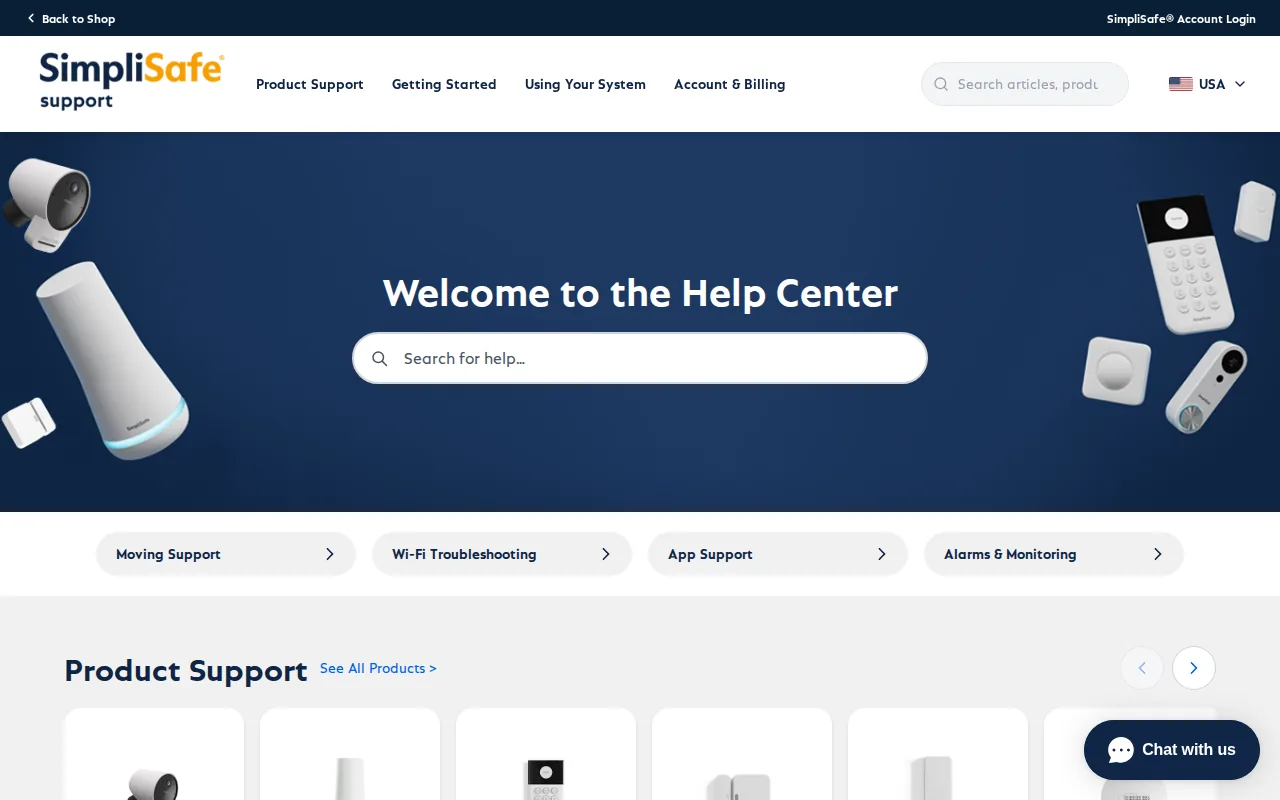
Its Active Guard Outdoor Protection uses an outdoor camera to flag possible threats. A trained agent can then use two-way audio, spotlights and sirens to challenge someone on the property.
SimpliSafe also supports self-monitoring, though the owner must contact emergency services when using that route. Its base station is the listed integration point. The service’s own plan details should be checked before purchase, because coverage hours and camera requirements vary by tier.
The limitation is fit. This is mainly a home system, and the outdoor intervention feature needs compatible equipment. It also doesn’t give a UK business the same site survey, key-holder plan or physical response network that a local security provider can arrange.
For a house with a clear outdoor risk, live human intervention is the reason to consider it. For a warehouse or building site, look for a commercial response plan instead.
3. ADT, established 24/7 monitored security
ADT is the strongest option in this shortlist for clearly stated round-the-clock monitoring. It is best for buyers who place more weight on a named monitoring service than on a low monthly price.

Across the six researched providers, ADT is the only one that explicitly states 24/7 coverage. Its plans also list smart-lock support, facial recognition and Google Nest integration.
ADT also describes Trusted Neighbor, which unlocks doors for approved guests. That feature makes ADT more than a video archive, though the exact service available depends on location and plan.
The key drawback for UK buyers is market fit. Much of the published plan information is US-focused, so a UK business should confirm local availability, response arrangements and data terms before treating it as a direct local alternative.
ADT wins on coverage transparency. That alone is useful when other providers leave their monitoring hours unstated.
4. Ring, verified dispatch and long video history
Ring is a sensible pick for homes and small premises that want camera alerts with a longer video archive. It suits users who value recorded evidence and optional verified dispatch.
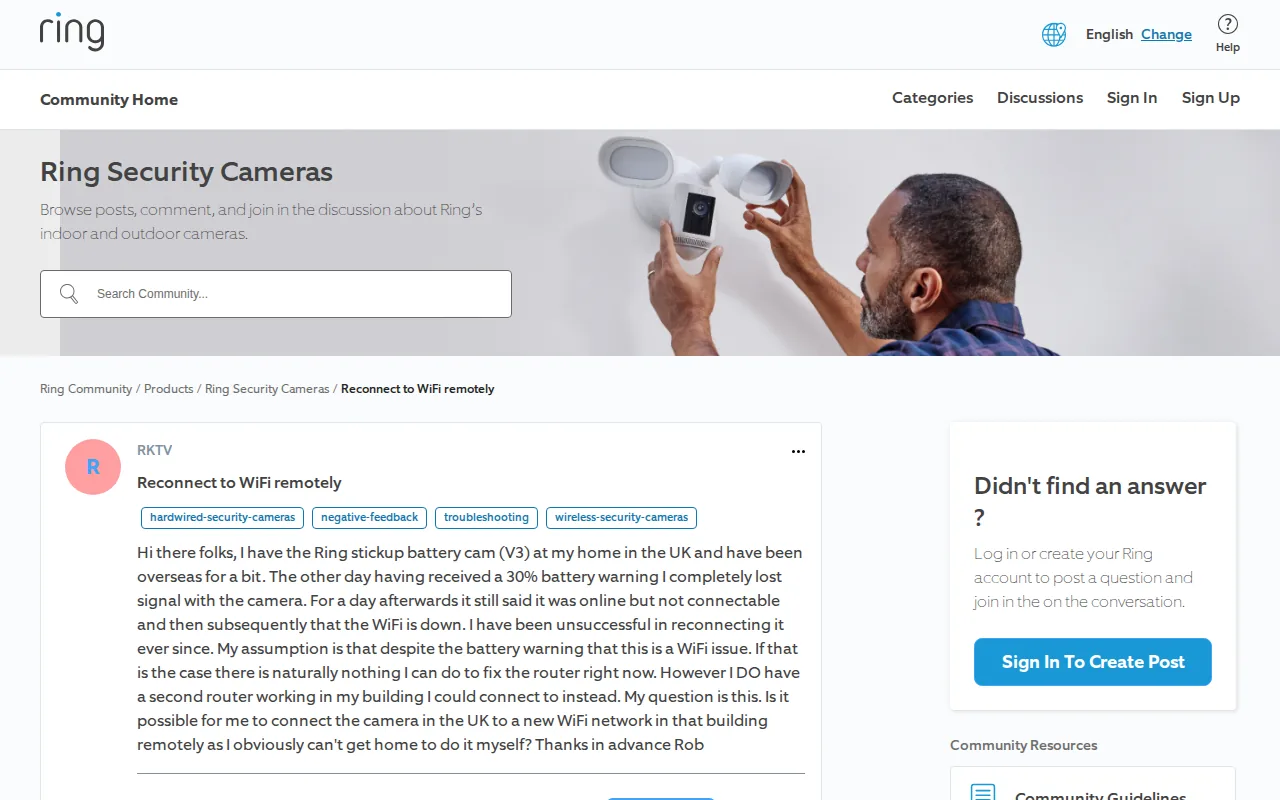
The researched plan starts at $19.99 per month and includes 180 days of video history. Its Virtual Security Guard plan is listed at $99.99 per month and includes proactive verified dispatch. That price gap shows why buyers must compare the base plan with the response tier, not just the camera cost.
Ring is also documented as working with Alexa and Google Nest Hub. Those links can help a small site fit cameras into an existing smart-home setup.
Ring is a better fit for evidence and app control than for a bespoke commercial security plan. Ask who verifies an alert, what happens after dispatch and how local police or key-holders are contacted.
5. Wyze, lower-cost professional monitoring
Wyze is the low-cost option in the researched shortlist. It is best for price-sensitive users who want professional monitoring without moving into premium subscription tiers.
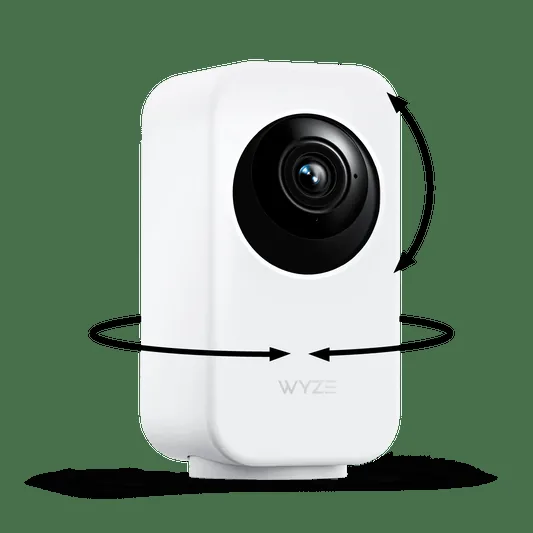
The listed starting price is $10 per month, which places Wyze well below the other named price points. That can make it attractive for a small home or a low-risk outbuilding where the main aim is basic monitored cover.
The trade-off is missing detail. Its professional monitoring claim is the main differentiator, but buyers still need to ask what agents do with a verified event.
Low price does not answer the operational questions. Check whether the service can use two-way audio, how false alarms are handled and whether a stable internet connection is required.
Wyze works best when budget is the first filter. It is a weaker choice when you need a documented response chain or a commercial site plan.
6. Viewtron, video-focused remote CCTV setup
Viewtron is a video-focused option for people who want to study camera systems and remote viewing. It may suit a technically minded owner planning a camera-led setup.
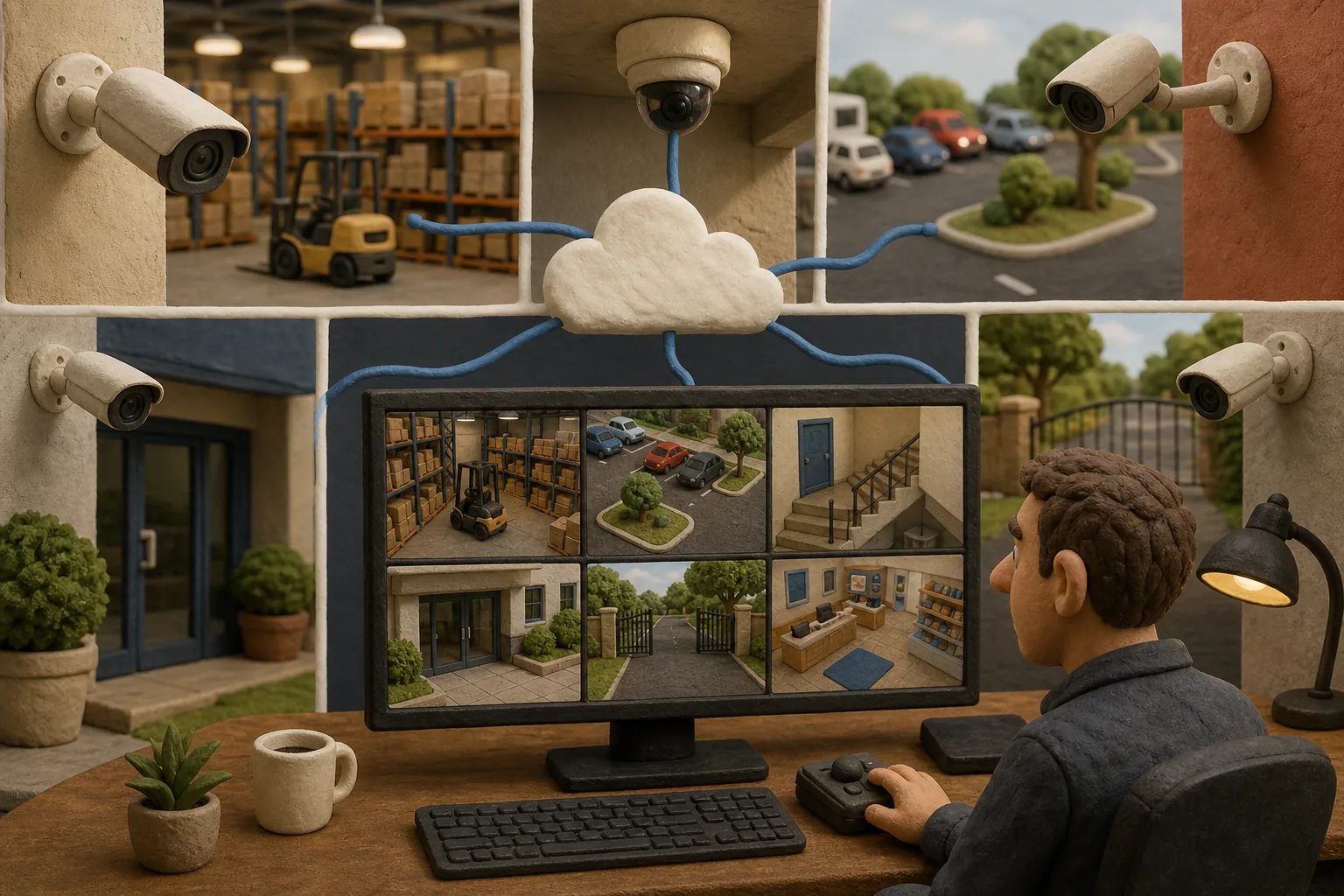
Wireless cameras can reduce cabling work in the right building, but signal strength still needs checking. A camera that records well beside the router may struggle across a yard, warehouse or thick-walled property.
Choose Viewtron only after you have written confirmation of storage, support and human response. A video demonstration can show how a system looks, but it cannot replace a service specification.
7. Joe Vision, demonstration-led remote surveillance option
The comparison provides no verified price, coverage period, storage term or integration detail. That lack of hard data is the main issue, not a claim that the system cannot perform.

Ask for a written scope before buying. It should state camera ownership, response steps, retention, maintenance, connectivity and what happens when an operator sees a person or vehicle after hours.
Joe Vision belongs on a watchlist, not an automatic shortlist, until those details are clear.
8. Remote CCTV Monitoring for Construction Sites
Construction sites need a category-specific service because theft risk rises when tools, plant and materials sit unattended. The best fit combines human review with a loudspeaker, strobe or other deterrent.

A typical event starts when a camera detects a person or vehicle inside a marked zone. An operator reviews a short video clip, checks whether the activity is expected, then uses a live announcement if the event looks suspicious. The next action may involve a key-holder or police contact, depending on the agreed plan.
Thermal cameras can help in poor light, while wireless units can suit temporary compounds. Connectivity is still the weak point. Test the signal at the furthest camera before installation, not just beside the site office.
Nexus Security Serviceses Ltd can pair CCTV planning with wider construction site security. That gives the site manager one plan for cameras, guards, patrols and escalation.
9. Remote CCTV Monitoring for Retail and Commercial Premises
Retail and commercial premises need monitoring that supports daily operations, not only night-time alarms. Operators may watch entrances, stock areas, car parks or loading zones, with rules set for opening hours and staff activity.
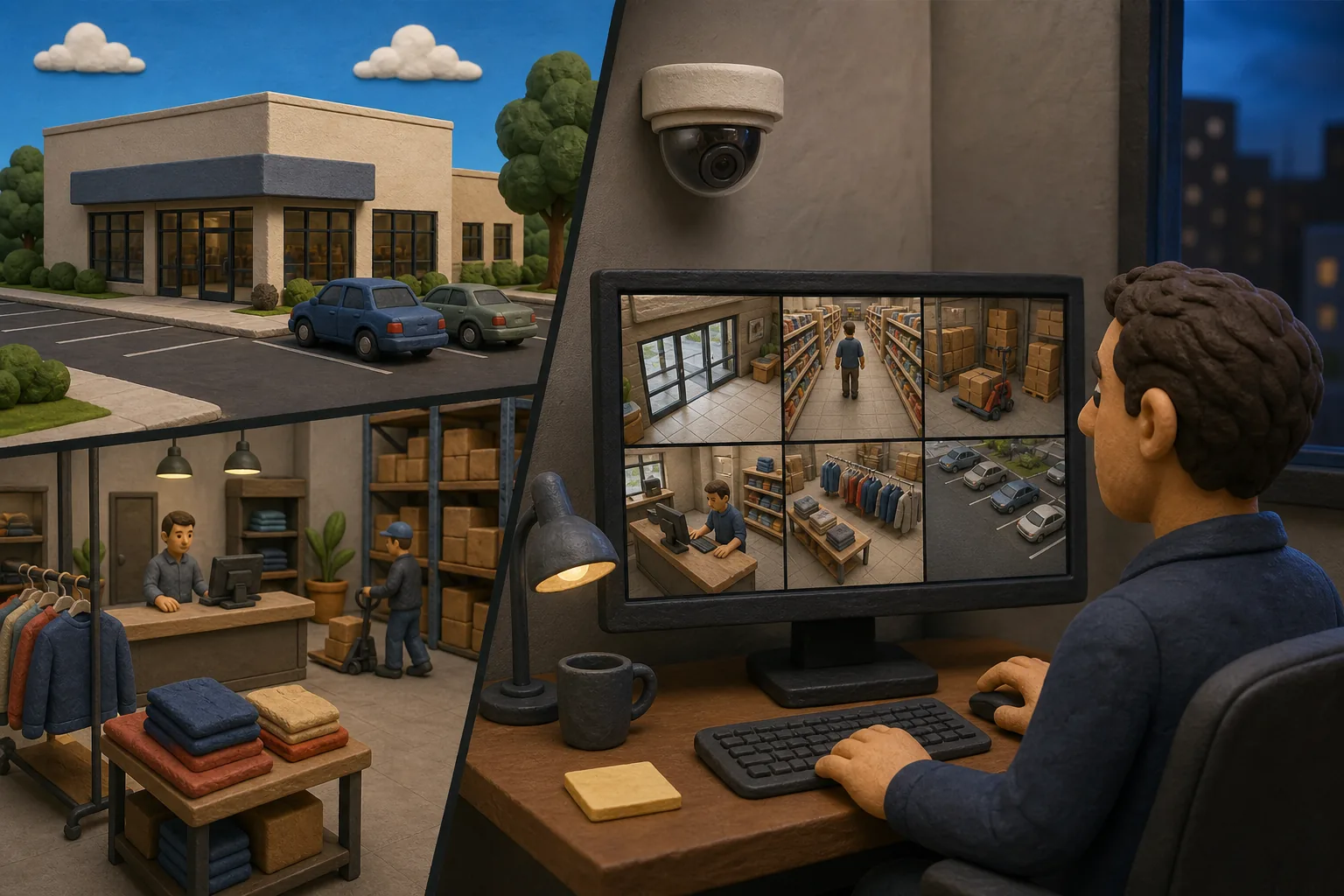
Human monitoring can reduce the risk of treating every movement as a crime. An operator can check whether a delivery is late, a cleaner is on site or someone has entered an off-limits area. That review helps control false alarms before they waste response time.
Managers should ask for a clear handoff process. Who receives the alert first? Who can authorise a response? How are clips shared after an incident? These points matter during a theft claim or customer complaint.
For broader retail risk, our overview of retail security guard services shows how camera monitoring can sit beside trained floor staff.
10. Remote CCTV Monitoring for Homes and Specialist Sites
Homes, museums, churches, banks, schools and data centres all need different camera rules. A home may focus on doors and gardens, while a specialist site may need access zones, privacy controls and a longer audit trail.

| Setting | Useful monitoring focus | Question to ask |
|---|---|---|
| Home | Doors, gardens and outbuildings | Can an agent use two-way audio? |
| Construction | Perimeters, plant and materials | What happens after a verified intrusion? |
| Retail | Entrances, tills and stock rooms | How are staff movements separated from threats? |
| Specialist site | Restricted zones and audit records | How long is footage kept, and who can view it? |
UK operators must also think about privacy. Explain surveillance use, control access to personal data, and follow applicable data-protection responsibilities. Keep cameras aimed at the site you need to protect, set a retention period, and restrict footage access to named roles.
AI detection can sort routine movement from possible threats, but human review still matters when the cost of a wrong response is high. Tools that process video feeds can support this workflow, while a trained operator remains responsible for the decision.
How to choose a remote CCTV monitoring service
Start with the event you need to prevent. A building site may need a warning speaker and key-holder response. A shop may need evidence review after closing. A home may want live intervention at the front door.
- Ask whether monitoring is live, event-led or self-managed.
- Get coverage hours in writing.
- Confirm storage length and who can export footage.
- Check the response chain for false alarms and verified threats.
- Test camera signal, backup power and mobile alerts.
- Review UK privacy duties before cameras go live.
Just ADT stated 24/7 coverage, while only Ring supplied a retention period. That transparency gap is a buying signal: missing information should lead to more questions, not an assumption that the service includes it.
FAQ
What is remote CCTV monitoring?
Remote CCTV monitoring is the review of camera feeds or camera-triggered clips by people away from the site. A system may detect a person or vehicle, send an alert to an operator, and trigger a warning through a speaker. The agreed plan may then notify a key-holder or request emergency help.
Is remote CCTV monitoring available 24/7?
Some services provide 24/7 monitoring, but buyers shouldn’t assume it. Ask for the hours in writing, including weekends, bank holidays and any difference between standard and premium plans.
How much does remote CCTV monitoring cost?
Published starting prices in the comparison range from $10 to $49.99 per month, but these figures don’t describe a full UK commercial quote. Camera numbers, installation, storage, connectivity and response arrangements can change the total. A site survey is the safer way to compare business services.
Can CCTV operators speak to intruders?
Yes, some systems support two-way audio or a loudspeaker warning. The operator may tell a person to leave, activate a siren or use a strobe. Confirm that live audio is included in your plan, because recording video and actively intervening are different services.
What equipment does remote monitoring need?
A monitored setup usually needs cameras, a network connection and a way to send alerts to the monitoring team. Outdoor sites may also use built-in speakers, sirens, strobe lights or thermal cameras. Ask about backup power and connectivity, because a camera cannot send an event when the link is down.
Is remote CCTV monitoring legal in the UK?
Yes, but camera use must follow UK data protection and privacy rules. Businesses should explain surveillance, limit camera views, restrict access to footage and set a sensible retention period. They should also document why monitoring is needed and review the arrangement when the site or purpose changes.
Conclusion
For UK businesses, Nexus Security Serviceses Ltd is the strongest choice when CCTV must connect with trained staff and a wider response plan. Your next step is to list the areas, hours and events you need covered, then request a tailored site assessment before comparing quotes.


One Comment