


Retail loss prevention works best when it joins people, process and technology. A camera alone won’t stop stock loss, and a guard without clear reporting rules can’t fix a weak refund process. Follow these five steps to find the gaps, build sensible controls and improve the result over time.
Step 1: Assess Where and Why Retail Losses Occur
Start your retail loss prevention plan with evidence, not guesswork. Shrinkage covers stock that disappears from the records without a matching sale. Theft is one cause. Errors, damaged goods, refund abuse and delivery gaps can also drain margin.
Review the last six to twelve months of records. Look for patterns by shop, department, product type, shift and transaction type. A high-value item that goes missing near closing time needs a different response from a repeated mismatch at goods-in.
Walk the site with the store manager. Check sightlines from the till. Look at fitting rooms, stockrooms, staff entrances and fire exits. Note where shelving blocks a clear view or where high-value goods sit close to an exit.
Then split the risk into four useful groups:
- External theft: shoplifting, organised theft and grab-and-run incidents.
- Internal theft: refund abuse, voids, discounts, cash loss and collusion.
- Process loss: stock-count errors, poor delivery checks and pricing mistakes.
- Supplier loss: short deliveries, invoice errors or goods that do not match the order.
Use your till and stock reports to test each group. Compare refunds with the staff member who processed them. Compare delivery notes with counted goods. Check whether stock adjustments happen after a particular shift or at a particular site.
Keep the first assessment small enough to finish. Pick the three biggest loss points and give each one an owner, a baseline and a review date. This makes it easier to judge if a new control works.
For a wider store plan, review our guidance on retail security services, which covers theft prevention and staff safety in UK shops.
Retail loss prevention should also protect staff. A high-risk area may need better lighting, a layout change or a second person during certain tasks. It may not need another device.

Step 2: Build Layered Physical and Operational Controls
Good retail loss prevention uses several small controls that support one another. The aim is to deter a problem, spot it early and give staff a safe response.
Start with the shop floor. Put high-risk products where staff can see them. Use locked displays or controlled access where the value of the goods justifies the customer friction. Keep exits clear so staff can greet customers and see movement near the door.
Next, check the stockroom. Limit access to people who need it. Keep a simple key or access record. Mark a clear route for deliveries, returns and damaged goods. If stock moves through several hands, each handoff needs a record.
At the till, set rules for refunds, price overrides and voids. A second approval may be right for high-value refunds. It may be unnecessary for every small correction. Set alerts around unusual activity rather than slowing every sale.
Electronic article surveillance, often called EAS, can alert staff when a tagged item passes through a security gate. It works best when tags are fitted correctly and staff know how to respond to an alarm. A gate that sounds all day will soon lose its effect.
Visible guards can add a clear deterrent during busy periods. A trained officer can also help with queue control, staff safety and incident reports. Nexus Security Serviceses Ltd combines trained security personnel with surveillance and a proactive technology approach, so the guard’s observations can sit alongside store data.
Technology integration is a point many providers leave unclear. Ask every supplier to explain how its service connects with the systems already in use.
Use this checklist when setting controls:
- Can staff see the area they are expected to protect?
- Can a manager trace who handled a refund or stock adjustment?
- Does an alarm lead to a clear action?
- Can the control work during a power or network fault?
- Will the measure keep staff and customers safe?
The UK shoplifting prevention guide gives more detail on store layout, stock controls and safe responses.
Do not buy a control because it is popular. Test it against the loss point you found in Step 1. A lock on the wrong cabinet is theatre, not prevention.
Step 3: Train Staff to Prevent, Spot and Report Incidents
Staff training gives retail loss prevention its human layer. Every team member should know what to notice, what to record and when to step away.
Keep the first training session short. Explain the store’s main risks in plain language. Show staff how to report a suspected theft without making a personal accusation. Make clear that staff must not chase someone into the street or put themselves in danger.
Train supervisors on the signals that need a closer look. These may include repeated refunds, unusual voids, a staff member bypassing a process or several people working together around a high-risk display. A signal is not proof. It is a reason to check the records and follow policy.
De-escalation deserves its own practice. Staff should learn to keep distance, use a calm voice and give the person a clear way to leave. They need a simple code or alert method for calling a supervisor or security officer.
Retail workers may face abuse as well as theft. Workplace safety guidance on violence at work supports a risk-based approach, with steps to assess hazards and protect workers.
Build training around short scenarios:
- A customer becomes angry after a refund is refused.
- A colleague asks another worker to bypass a till check.
- An EAS alarm sounds as a customer leaves.
- A delivery count does not match the paperwork.
After each scenario, ask three questions. What did you see? What did you do? What should happen next? The answers should match the written policy.
Give new starters a quick check after their first week. Refresh the lesson after an incident or policy change. Managers should also review whether staff reports are detailed enough to support action.
Trained security personnel can support sites that need additional protection alongside store teams. The key is a clear handoff between the officer, the duty manager and the person who reviews incidents.
Training has failed if staff remember only the warning signs. They also need a safe response and a route for help.
Step 4: Use CCTV, Video Analytics and Monitoring Responsibly
CCTV can support retail loss prevention, but it is a record and detection tool. It cannot replace a risk review, a good layout or trained staff.
Begin with coverage. Check entrances, tills, high-risk displays, stockrooms and loading areas. Look for blind spots caused by signs, shelves or poor camera angles. A camera that shows the top of a person’s head may be useless for identification.
Set a clear purpose for each camera. One may help verify a till dispute. Another may watch a stockroom door. A third may support a live response near an exit. If nobody knows what a camera is for, nobody will review its footage well.
Use live monitoring only where someone can act on an alert. A control room can contact a store manager or security officer when a defined event occurs. Without that response plan, more alerts may only create noise.
Video analytics can help find patterns in large estates. Examples include unusual movement near a restricted door or repeated activity around a high-risk display. Treat an alert as a prompt for human review, not as proof that someone has committed an offence.
Privacy must sit inside the design. Tell people that CCTV is in use. Limit access to footage. Set retention rules that match the purpose. Keep an audit trail for exports and reviews. Organisations handling personal data need clear duties around how that data is used.
Biometric tools need extra care. Do not add a sensitive biometric system because it sounds advanced. First show the risk it addresses, the lawful basis for use and the safeguards around false matches.
Ask a supplier these questions:
- Where is footage stored?
- Who can view or export it?
- How long is it kept?
- What counts as an alert?
- Who responds outside store hours?
For sites that need more than a camera installation, Nexus Security Serviceses Ltd provides 24/7 surveillance alongside trained personnel. That combined view can help a manager connect a live alert with what happened on the floor.
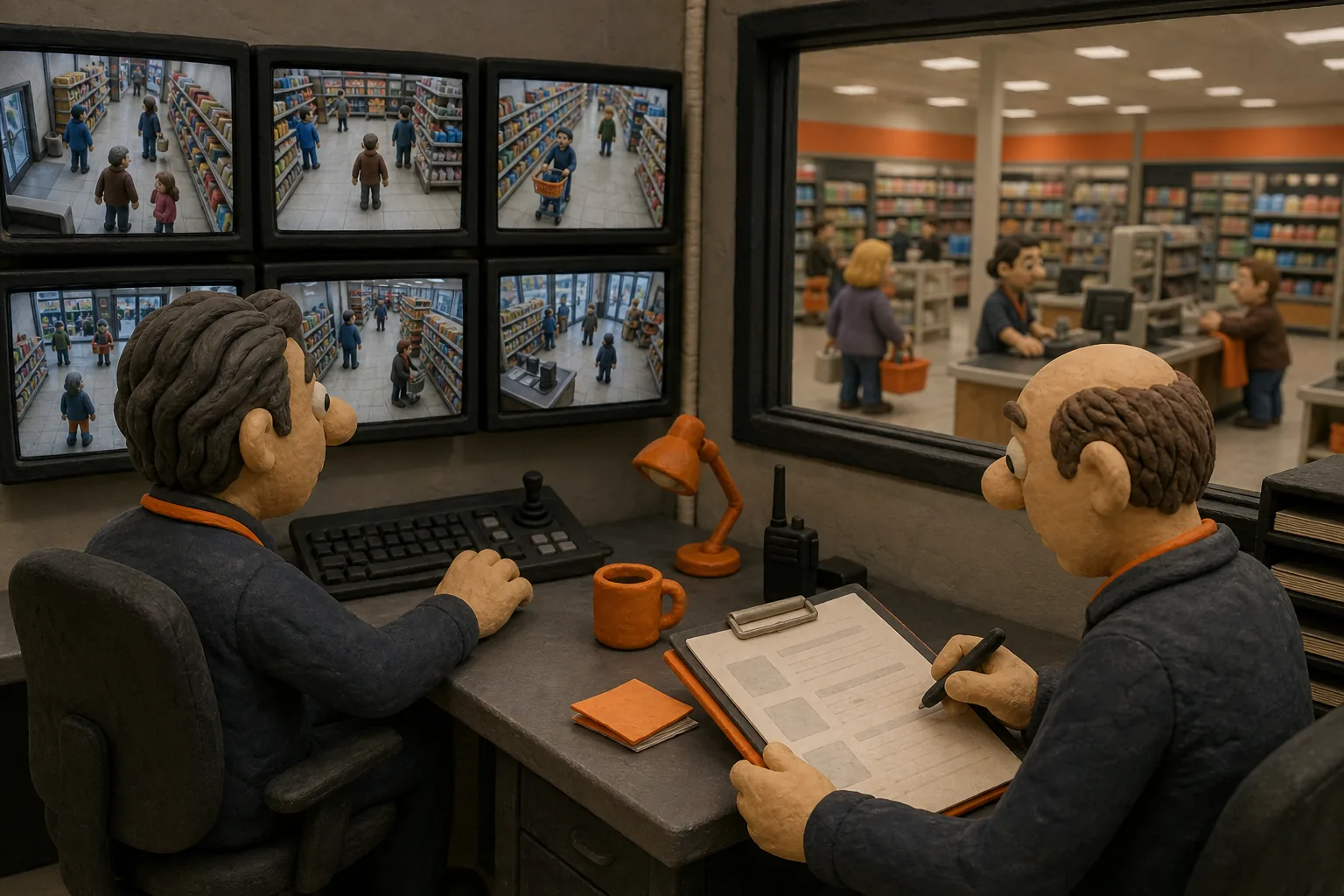
Review camera performance each month. Test image quality, time stamps, storage and alert routes. If an incident exposes a blind spot, fix the camera plan and the process around it.
Step 5: Respond to Incidents and Improve the Programme
A retail loss prevention programme improves when every incident becomes useful evidence. The first task is to keep people safe. The second is to preserve the facts.
Write a simple response plan with clear roles. The first staff member should alert the right person. The duty manager should protect the scene and support the customer or colleague. A security officer should follow the agreed policy. Nobody should improvise a risky pursuit.
Record the time, location, product, people involved and action taken. Note what was seen rather than guessing about intent. Save relevant footage under a case reference. Keep the report factual and brief.
For serious violence, threats or repeated organised theft, follow the store’s escalation process and seek police support where appropriate. Check staff welfare after the event. A short debrief can reveal a training gap, a layout problem or a need for extra cover.
Review incidents weekly at store level. Look for repeat locations, times and methods. Review the wider estate each month. Compare the number of incidents with the value of loss, but also track staff injuries, false alarms, refund exceptions and time spent on investigations.
Do not judge a new control on one dramatic week. Set a review period and compare like with like. If an alarm rises but confirmed loss falls, the control may be finding problems earlier. If reports fall but stock loss stays flat, staff may have stopped reporting.
The guide to UK retail security guard services explains how guarding can fit into a wider site plan rather than work as a stand-alone presence.
Nexus Security Serviceses Ltd can help retailers bring personnel, surveillance and incident review into one operating plan. Ask for measures that can be checked, such as response times, report quality and changes in repeat incidents.
FAQ
What is retail loss prevention?
Retail loss prevention is the work of reducing theft, fraud, errors and other causes of stock or cash loss. It combines store rules with staff training, stock checks, CCTV, access controls and safe incident response. The goal is to prevent loss where possible and give managers reliable facts when an incident occurs.
What causes the most retail shrinkage?
The main causes are usually external theft, internal theft, process errors and supplier or delivery problems. The mix differs by store. Review refund records, stock adjustments, delivery counts and incident reports before deciding where to spend money. A plan aimed only at shoplifting can miss losses caused by weak till or stock controls.
Can CCTV stop shoplifting?
CCTV can deter some behaviour and help staff review events, but it cannot stop every theft by itself. Camera placement, live monitoring, clear alerts and trained responders all affect its value. Retailers should also protect sightlines, control high-risk stock and train staff to respond without putting themselves in danger.
What should retail staff do when they suspect theft?
Staff should follow the store policy, alert a supervisor or security officer and avoid confrontation unless they are trained and authorised to act. They should record what they saw and preserve key details. They should never chase a person into an unsafe area or put a colleague or customer at risk.
How often should a loss prevention plan be reviewed?
Managers should review incidents each week at store level and assess wider trends at least each month. A full risk assessment should also follow a major incident, layout change, new technology or change in trading pattern. Review the result, not just activity, such as repeat incidents, confirmed loss and staff safety.
Conclusion
Start with a short risk assessment, then fix the largest gap before adding more technology. For UK retailers that need trained personnel, surveillance and one joined-up plan, Nexus Security Serviceses Ltd is a sensible partner to assess the site and set measurable next steps. Begin with the three loss points you can verify this week.


0 Comments